1

Google
Japanese•Miami•splurge
Yasu Omakase
Yasu Omakase is a japanese pick in Miami when you want dinner to feel a little more planned.
Sushidate nightspecial occasion
Read restaurant page
5.0/5
Google rating
Based on 20 reviews
The best Japanese restaurants in Miami, sorted by rating and curated by TastyPals editors.

Fast answers for diners comparing japanese restaurants in Miami. These first picks are sorted from live restaurant data and editorial fit.
Yasu Omakase is a japanese pick in Miami when you want dinner to feel a little more planned.
Read restaurant page

OMAKAI Hand Roll Bar launched in Brickell as Miami's first dedicated hand roll bar, a distinction the Quijada brothers and Chef Aaron Pate have anchored in a space of under a thousand square feet and twenty-seven counter seats.
Read restaurant page

Sérêvène occupies a precise and credible niche in Miami Beach's crowded dining landscape: a Michelin-starred room inside the adults-only Greystone Hotel on Collins Avenue, where Chef Pawan Pinisetti fuses French rotisserie discipline wit…
Read restaurant page
What Elyu Omakase asks of you is that you take Chef Reiji Yoshizawa's biography seriously — because it's the actual menu.
Read restaurant page

MILA is one of the better-known japanese spots in Brickell in Miami, which makes it a practical place to start.
Read restaurant page

OMAKAI arrived in Wynwood in 2019 with a premise Miami's dining scene had left conspicuously unfilled: structured omakase at a price point that doesn't demand a special occasion to justify the cheque.
Read restaurant page

Sokai Sushi Bar Downtown suits a night out when you want japanese that feels grown-up without getting stiff.
Read restaurant page

A hundred years in the Hollywood Hills, and Yamashiro chose Miami for its first move east — which tells you something about the room's ambitions before you've even booked a table.
Read restaurant page

Wynwood has spent a decade getting the aesthetic right and fumbling the food — rooms where the mural outside carries more intention than anything on the plate.
Read restaurant page

Hoshi & Sushi's Midtown outpost at 2519 NE 2nd Ave is the younger sibling of a Miami Beach original, and that lineage matters: this isn't a concept built from scratch to chase a trend but a deliberate expansion of a kitchen with an estab…
Read restaurant page
Chef Yasu Tanaka made a deliberate and somewhat counterintuitive choice: plant a Michelin-recognized sushi counter inside MIA Market, a food hall in Miami's Design District, with no reservations and a format that prioritizes access over…
Read restaurant page

Hiden does not ask you to find it so much as earn it.
Read restaurant page

Nami Nori's arrival in the Miami Design District isn't just a New York import landing in a warm-weather outpost — it's the first project the restaurant's founding chefs, Takahiro Sakaeda and Jihan Lee, have undertaken with Pharrell Willi…
Read restaurant page
Hiyakawa earns its Michelin star in a room that barely seats 25, tucked into the base of a Wynwood apartment building beneath an arch of backlit, undulating wood slats — an intimate, deliberately staged environment where the sushi counte…
Read restaurant page
Mr.
Read restaurant page

Kevin Cory's naoe operates out of a deliberately small space in Brickell, and that scale is the point.
Read restaurant page

Ke-uH sits inside the Acqualina Resort on Collins Avenue with the Atlantic just beyond the glass — which means before a single plate lands, the room is already doing serious work.
Read restaurant page

Uchi Miami operates from a premise that most of the city's dining culture declines to adopt: that restraint is a form of ambition.
Read restaurant page

Azabu Miami Beach occupies a register that South Beach rarely sustains: quiet, technically serious Japanese dining that doesn't perform for the room.
Read restaurant page

Shokudo earns its place in Miami's dining landscape not by chasing a single-cuisine identity but by leaning into a deliberately pan-Asian comfort register — sushi alongside ramen alongside pho alongside kalbi — backed by a team with real…
Read restaurant page

Sexy Fish Miami lands in Brickell — one of the most aggressively corporate dining corridors in South Florida — and reportedly refuses to play by those rules.
Read restaurant page

Makoto sits on the third floor of Bal Harbour Shops, recently reworked by Paris designer India Mahdavi into something brighter and bolder — colour-saturated banquettes, an expanded sushi counter, more room to breathe outdoors.
Read restaurant page

Blue Ribbon Sushi Bar & Grill - South Beach suits a night out when you want japanese that feels grown-up without getting stiff.
Read restaurant page

Paperfish Sushi is doing something Miami's Japanese restaurant scene has needed: grounding Nikkei-inflected cooking in a format that reads as conviction rather than concept.
Read restaurant page
Sunset Club | Rooftop Restaurant & Lounge is an easy japanese option in Miami to suggest without needing a long explanation.
Read restaurant page

Osaka Miami has staked out a position that's harder to hold than it looks: a Japanese kitchen operating at genuine technical ambition inside a room that runs loud, late, and Miami-intentional.
Read restaurant page
Mykonos Kitchen and Bar suits a night out in Sunny Isles when you want japanese that feels grown-up without getting stiff.
Read restaurant page

Zuma Miami is the Brickell outpost of the international izakaya brand, positioned along the Miami River in a riverfront room that the city's finance crowd and visiting spenders have made their own.
Read restaurant page

Monty's Sunset - South Beach is a japanese pick in Sunset Harbour in Miami when you want dinner to feel a little more planned.
Read restaurant page
The top Japanese restaurants in Miami include Yasu Omakase, OMAKAI hand roll bar, Sérêvène by Chef Pawan Pinisetti. TastyPals curates these picks based on Google ratings, review volume, and editorial judgment.
Yasu Omakase is among the highest-rated Japanese restaurants in Miami, with a 10.0 Google rating across 20 reviews.
Japanese restaurants in Miami range from moderate to splurge. Most mid-range options fall in the splurge range.
TastyPals curates picks based on Google ratings, community reviews, and editorial judgment. Learn how we choose →
TastyPals for iPhone + Android
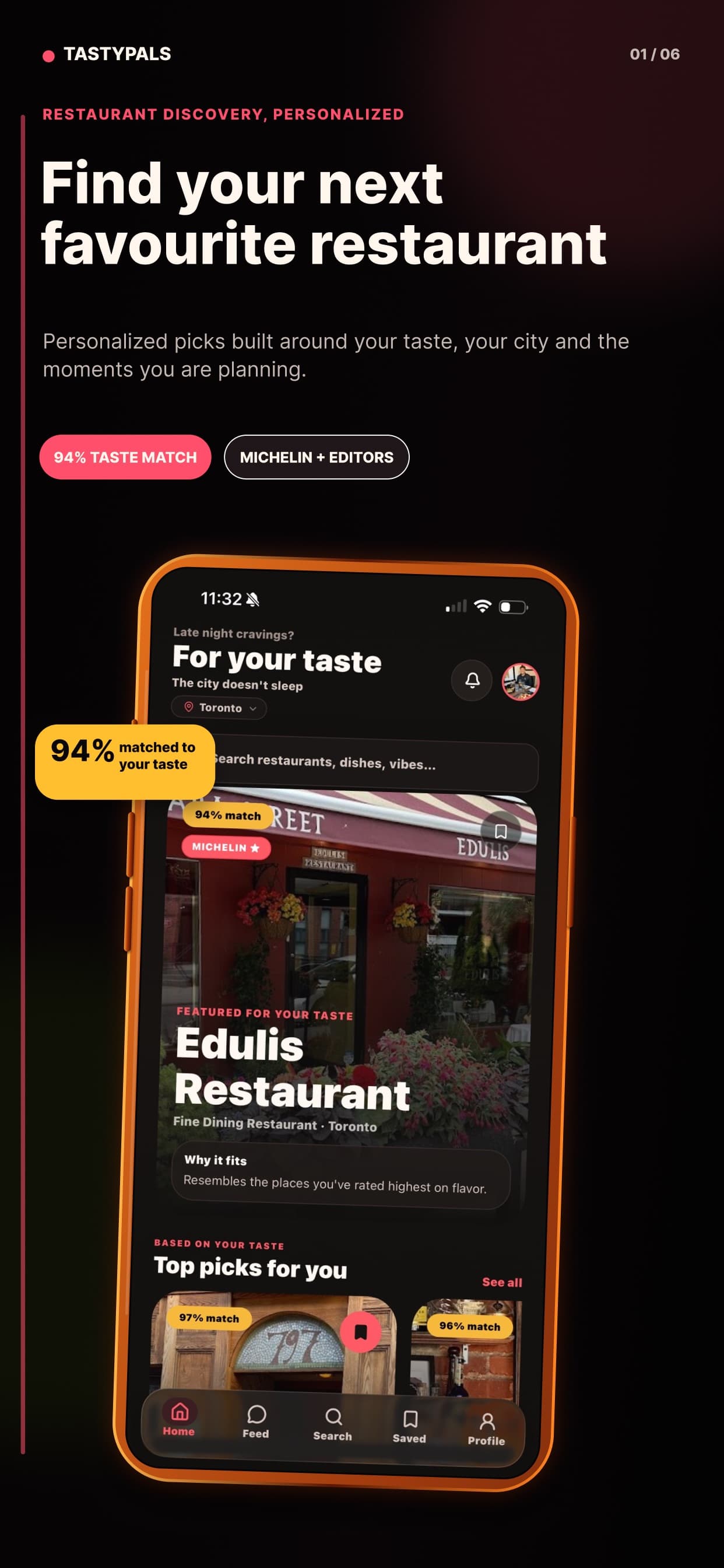
Use the web to compare the strongest japanese spots in Miami, then get personalized picks in the app.