
Best Group Dinner Restaurants in Toronto
Toronto restaurants built for shared ordering, strong room energy, and nights that need a little more movement.
The best group dinner restaurants in Toronto are Bar Isabel, Mimi Chinese, Sunnys Chinese, and more. Start with Bar Isabel if you want the strongest overall first pick.
How we picked: We weight table size, noise tolerance, shared-ordering ease, private-room availability, and how the kitchen handles a long table without delays.

Top picks at a glance
Practical notes
What to plan for before you book — spend, reservation strategy, and who should skip this guide entirely.
- Expected spend
- $60–120 per person with shared plates and a drink each. Set menus for groups often run $85–150.
- Booking strategy
- Call directly. 2+ weeks out for groups of 8+; ask about private/semi-private rooms, set menus, and any service-charge automatically added for parties of 6+.
- What to order
- Family-style and shared-board menus work best at 6+. Skip individual entrée ordering — pacing falls apart fast on long tables.
- Skip if
- you're trying to do a quiet anniversary or first date. Group rooms are built for energy and volume.
Who this guide is for
Some Toronto restaurants are better with a full table. These are the places to consider when you want broad ordering, a flexible room, and a dinner that stays social.
Quick picks
On this page
How the restaurants compare


How we chose
We looked for restaurants that feel like a strong fit for the guide topic, not just the most obvious names in the city. The shortlist favors rooms with clear mood, dependable pacing, and enough distinction to help someone decide faster. Read our full methodology →
Lighting, pace, and general energy all need to support the reason someone clicked this guide.
We favored restaurants that feel best suited for the moment, not just restaurants with broad reputation.
The final list tries to give readers enough variation in neighborhood, price, and style to compare real options.
7 ranked picks
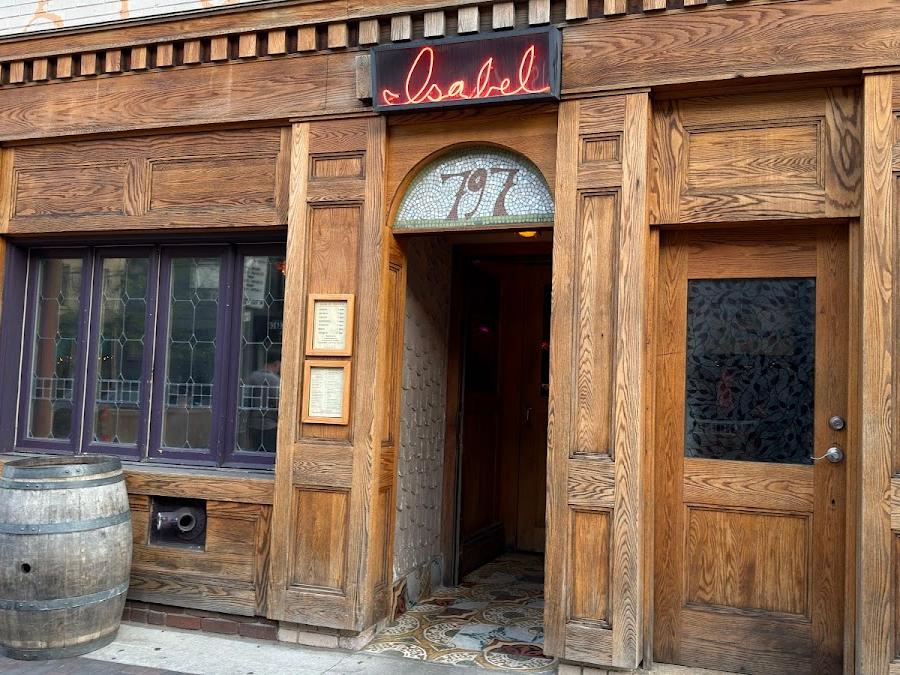

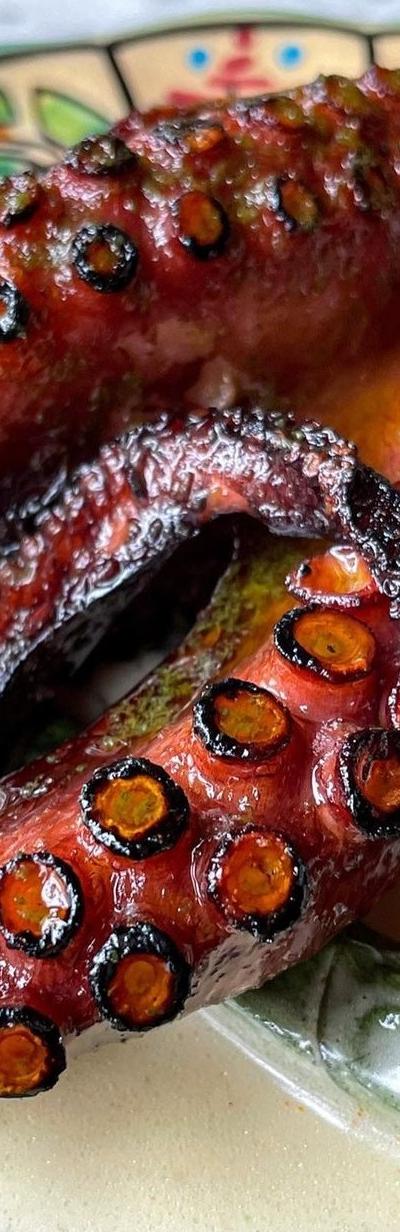
Bar Isabel has been the anchor of Toronto's Spanish dining scene since Grant van Gameren opened it in Little Italy over a decade ago, and the restaurant's reputation has not softened with age — it has only sharpened. The kitchen's approach centers on the kind of unfussy, product-driven Spanish cooking that is harder to pull off than it looks: a commitment to doing familiar things correctly rather than inventively. The grilled octopus is among the dishes diners consistently point to, and the tortilla española has accumulated enough word-of-mouth to be considered by many the definitive version in Toronto — a dish that reportedly hits the technically tricky middle ground between set and yielding, which is where a tortilla either justifies the effort or doesn't. The house charcuterie is reportedly cured in-house, sliced to order, and served with accompaniments that contribute rather than just fill the board — a program serious enough to anchor a meal on its own.
The sherry-paired snacks are worth treating as an event rather than a preamble. Bar Isabel's approach to sherry as a pairing mechanism is one of the things that distinguishes it from restaurants that merely gesture at Spanish wine culture, and the broader list is known for being Spanish-focused and thoughtfully assembled, with staff equipped to guide guests through it at any level of familiarity with Iberian wine.
Practically: this is a loud room by design — communal tables built for groups, a bar that reportedly seats two comfortably for a longer evening. Price level puts it at the higher end of the Toronto casual-dining spectrum, so go with intention. Book ahead; this is not a walk-in-and-see situation on a weekend.
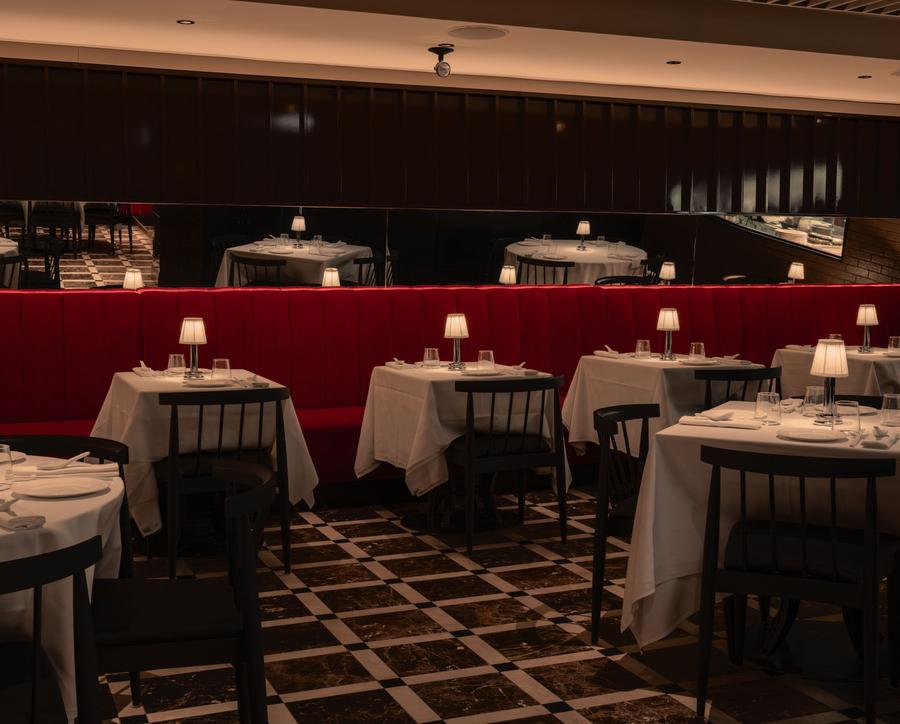
Mimi Chinese operates in Toronto's Chinatown as something of a deliberate counterpoint to the large-format dim sum houses that dominate the city's Cantonese dining landscape. Where those rooms trade in scale and efficiency, Mimi is neighbourhood-scaled and intimate — a room that reads as genuinely accessible rather than ceremonially formal. The concept spans both dim sum service and broader Cantonese cooking, and the reputation it has built is specific: this is the kind of place that draws serious food people from across the city, not merely from the surrounding blocks, which in a neighbourhood like Chinatown is a meaningful distinction.
Toronto's dim sum culture is more developed than almost anywhere outside of Asia, which makes local standards unusually demanding. Within that context, Mimi Chinese is consistently cited as a credible rival to the city's dedicated dim sum houses — a high bar that most casual Cantonese rooms don't clear. The menu is reportedly strong across both dim sum format and full Cantonese plates, and diners are advised to come in numbers sufficient to order broadly across both registers. The kitchen is known for applying the kind of technical attention to what other restaurants treat as secondary items — a signal of where a kitchen's priorities actually sit.
Mimi Chinese doesn't position itself as a destination for banquet-scale occasions; it functions better as a serious lunch room with the kind of cooking that justifies making a cross-city trip. Reservations are worth pursuing given the room's size and the consistent draw it generates. For a table oriented around Cantonese cooking at lunch, with the full menu in play, plan to arrive with a group and order without restraint.
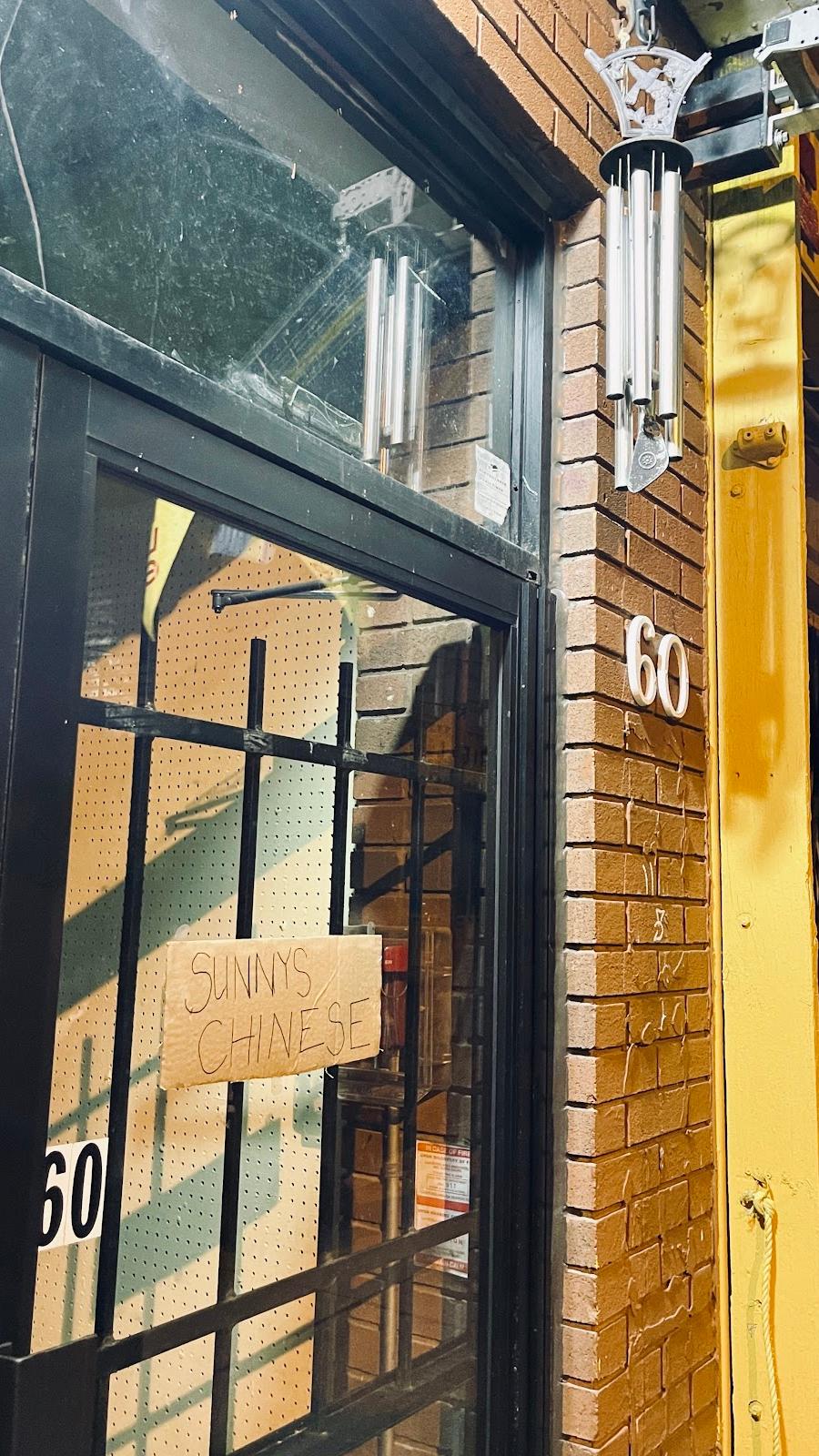
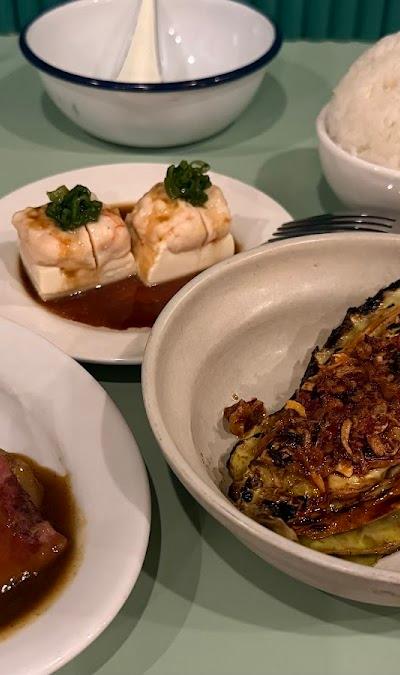
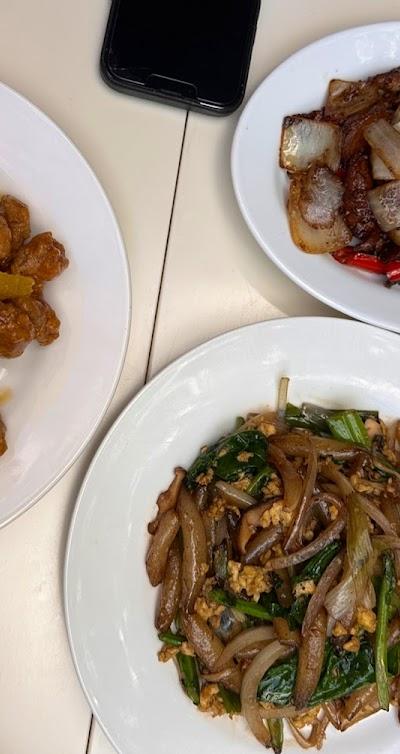
Sunny's Chinese occupies a particular position in Toronto's Kensington Market — not Queen West, as some listings conflate — where it has built a reputation as one of the neighbourhood's more purposeful Chinese restaurants. What distinguishes it from the surrounding noise is the combination of serious Cantonese cooking and a natural wine program that has apparently been assembled with genuine curatorial intelligence. Most natural wine bars have never thought to ask which wines work with Chinese food; by most accounts, Sunny's has asked that question and answered it with some care. That alone makes it worth attention before you've even considered what arrives at the table.
The kitchen's reputation centers on Cantonese technique executed with the kind of precision that the city's broader Chinese restaurant scene doesn't always receive credit for. Diners consistently point to the char siu as among the better preparations in Toronto — reportedly lacquered and properly rendered, a dish that rewards attention to temperature in ways that shortcut versions don't. The menu is known for approaching Chinese cooking on its own terms rather than calibrating it for a non-Chinese audience, which is the distinction that separates a restaurant with conviction from one merely performing a concept. Whether the full range delivers at that level on any given night is the open question that only a reservation answers.
The room is said to carry the specific quality of feeling simultaneously Chinese and entirely Toronto — a balance that is harder to achieve than it sounds, and that reflects something about what Kensington Market does at its most coherent. For a special-occasion dinner that doesn't require a tasting-menu format to justify itself, Sunny's is the kind of place worth booking on a weeknight when the room isn't working against you. Reservations are advisable; walk-ins at peak hours are a gamble.
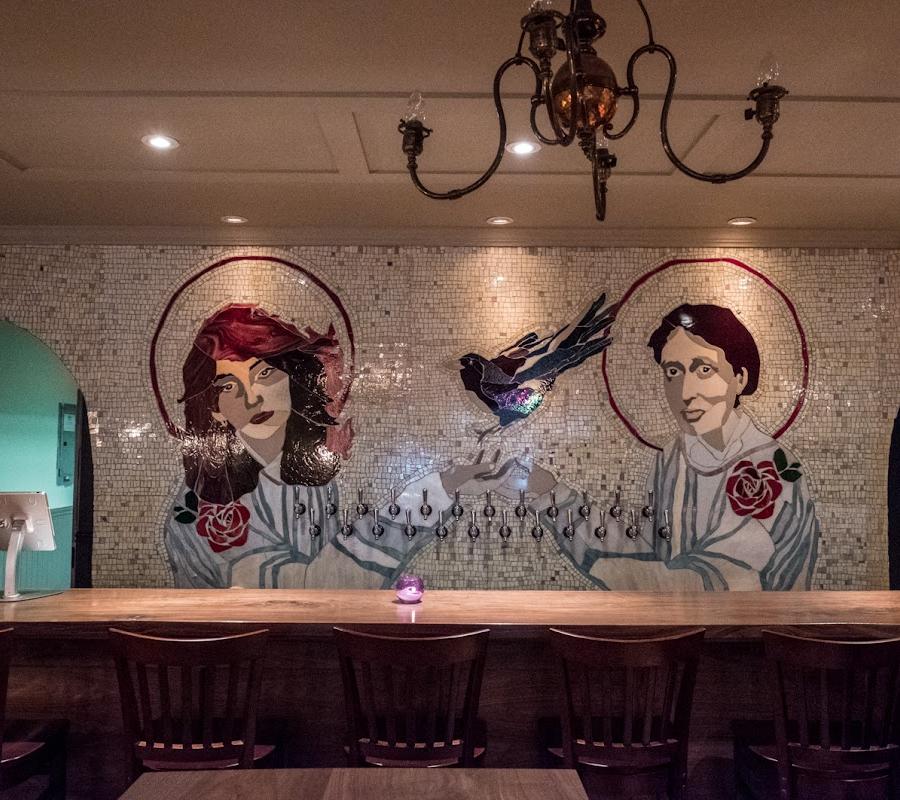
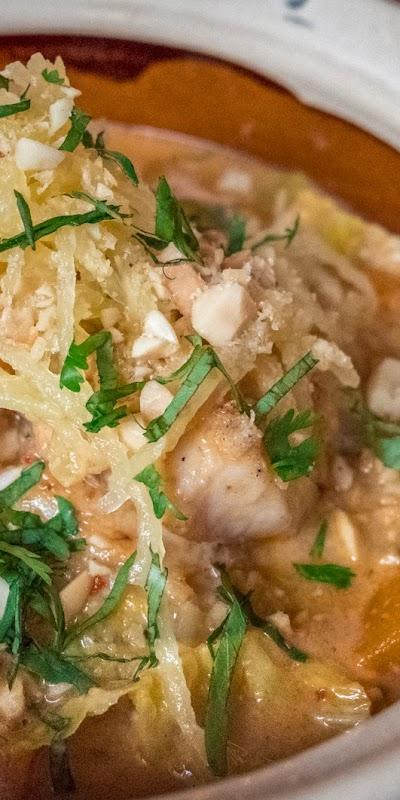

Lake Inez occupies a specific and considered position in Toronto's dining landscape — a Filipino-inspired brunch room on the Gerrard India Bazaar strip that has, by consistent account, built a genuine following rather than a novelty reputation. The concept is not fusion or reinterpretation in the fashionable sense; the kitchen is understood to work from Filipino culinary tradition with a seriousness that distinguishes it from the broader wave of Filipino dining that has arrived in the city. The room itself is modest in scale and unpretentious in register, which appears to be the point — this is a neighbourhood restaurant that happens to be doing something the city is not doing elsewhere.
The menu, centered on weekend brunch, is reported to treat its source material with integrity. Pandesal French toast — the soft Filipino bread prepared in custard and cooked to a crisp exterior — is consistently cited as the anchor, accompanied by house-made seasonal preserves that suggest a kitchen invested in the details. The longanisa hash, built around sweet Filipino sausage with eggs and fried garlic rice, is described by regular diners not as a composed brunch plate but as something that registers as a coherent culinary inheritance. Ube appears across the menu in preparations that, by all accounts, reflect the ingredient's actual place in Filipino cooking rather than its current decorative currency in Western café culture.
Gerrard India Bazaar provides the neighbourhood logic that makes the restaurant legible — a cultural corridor where Lake Inez reads as a natural presence rather than a calculated placement. Reservations for weekend brunch are advisable; the room is small and the reputation has outgrown its square footage. Go with the expectation of a specific experience rather than a broad one — that specificity is precisely what justifies the trip.
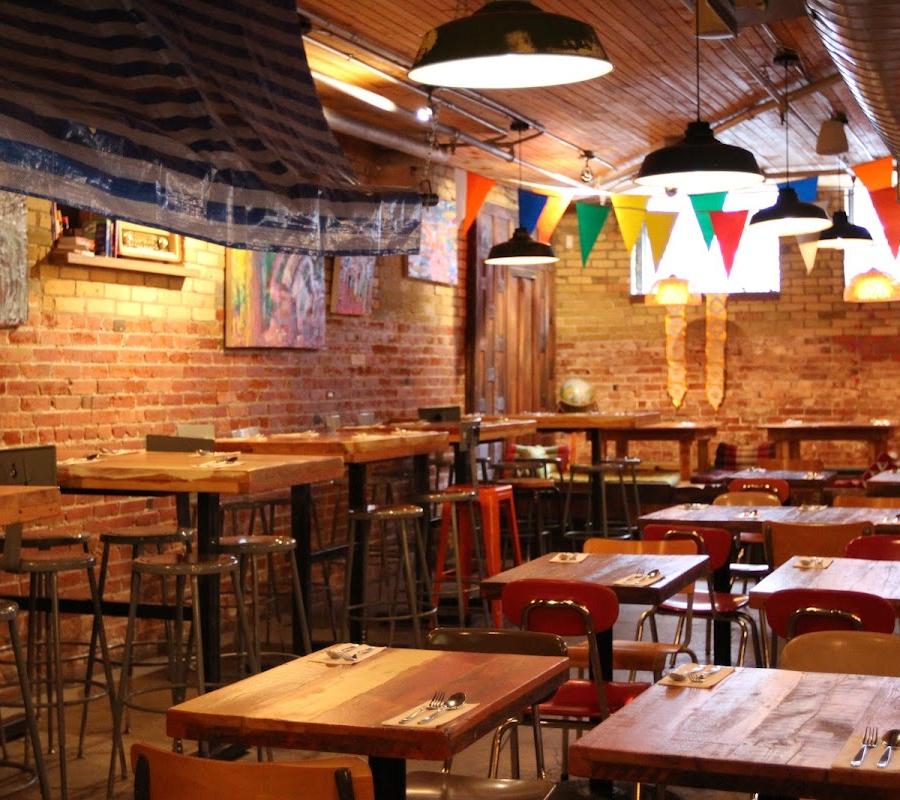
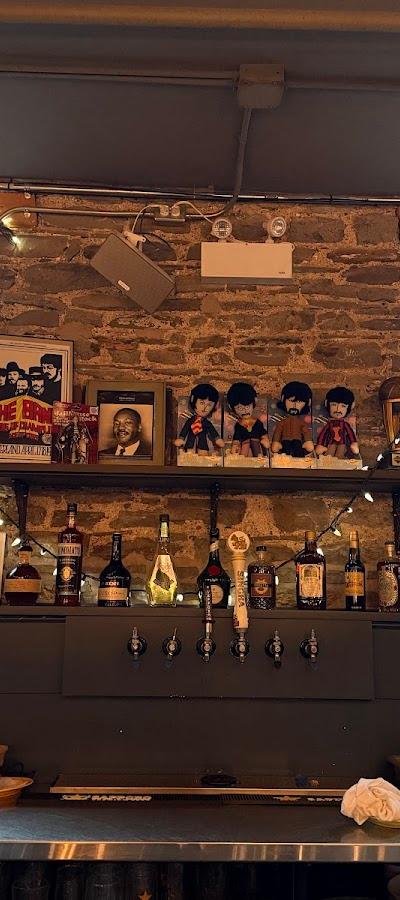
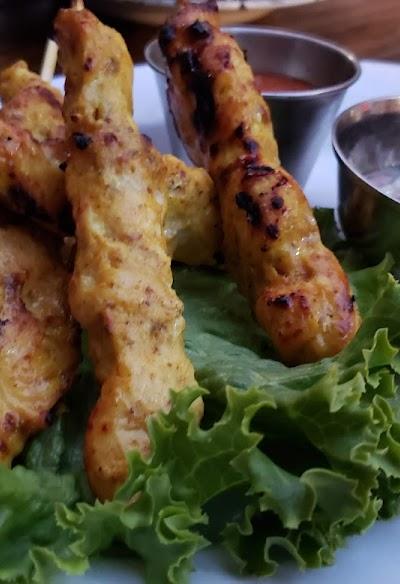
Nuit Regular's PAI on Duncan Street has built a reputation as the most rigorous Thai kitchen in Toronto — a room that approaches regional Thai cooking with the same seriousness the city's better Italian and Japanese restaurants bring to their respective traditions. That positioning matters, because the baseline for Thai food in Toronto has historically been calibrated to a diluted, crowd-pleasing register. PAI's consistent reputation, sustained across years of coverage and diner accounts, is that it works deliberately against that standard.
With no verified dishes currently on file for this listing, what can be said with confidence is that the restaurant's standing rests on a kitchen reportedly committed to technique and sourcing rather than approximation — the difference being whether the ingredients that make a dish what it is are actually present, or substituted for convenience. Diners and food writers have consistently described a menu grounded in preparations that require genuine commitment from the kitchen: broths built over time, spice profiles that reflect the actual regional cuisines they're drawn from, and accompaniments served as the dishes require rather than simplified for unfamiliar palates. A weekend brunch program is also well-documented, with accounts suggesting it offers Thai breakfast formats not commonly found elsewhere in the city.
The room on Duncan Street is known to be busy — a reflection of demand rather than capacity. Walk-ins at opening are reported to be the more reliable route for lunch; dinner bookings are advisable. The price point is accessible for the level of cooking the restaurant is associated with, which is part of what makes the conversation around PAI useful: it reframes what regional Thai cooking can look like in this city without requiring the occasion-dinner budget that comparable rigour commands elsewhere. Book ahead for dinner; arrive early if you're going off the cuff.
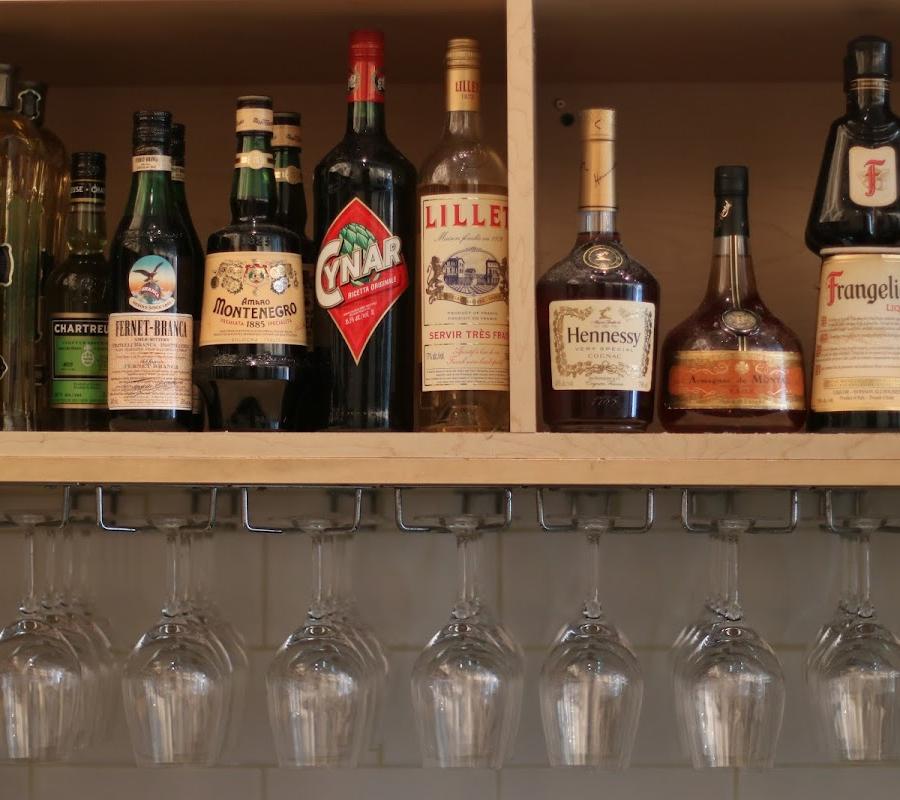
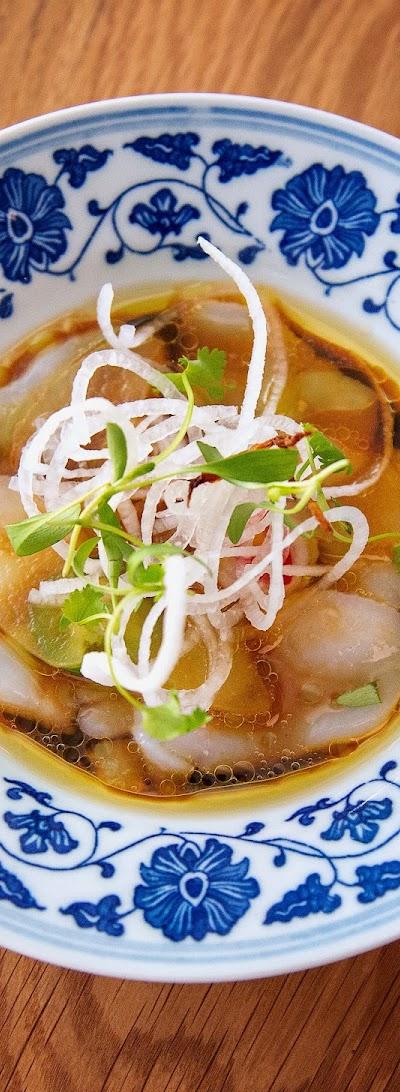
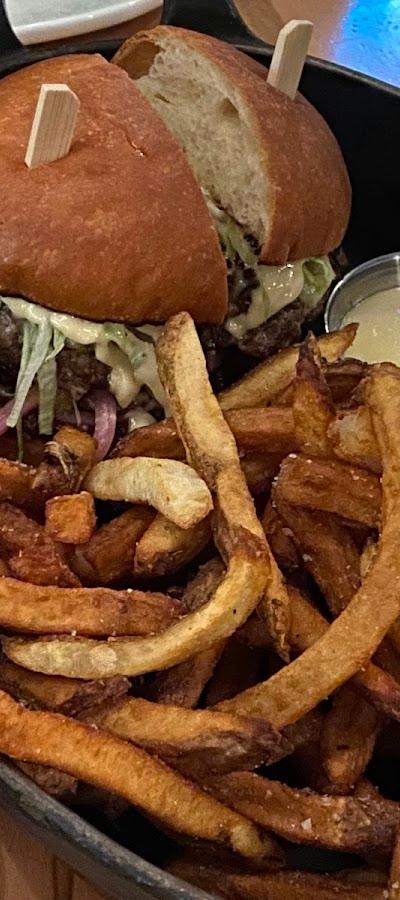
Carl Heinrich's Richmond Station has a cleaner origin story than most downtown Toronto restaurants care to admit: it grew directly from his Top Chef Canada win, and a decade on, the kitchen has reportedly stayed close to the premise it opened with rather than chasing whatever the city's dining conversation has moved on to. That kind of institutional consistency is rarer than it should be in the Financial District, where the pressure to stay relevant tends to reshape restaurants into things they never intended to be. By most accounts, Richmond Station has resisted that drift.
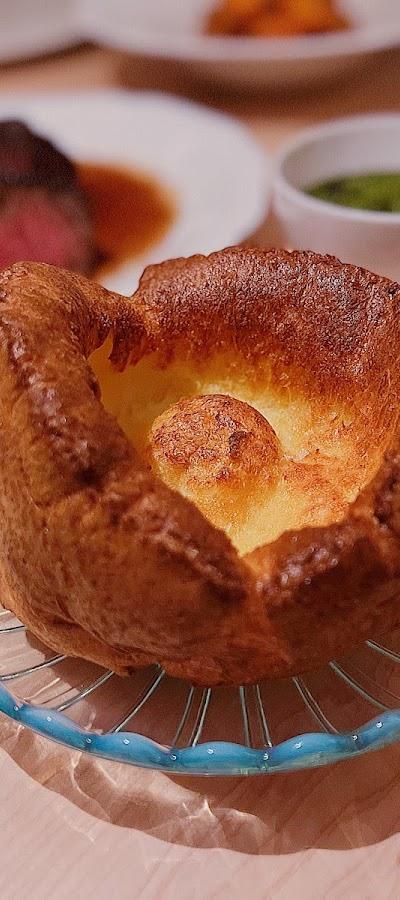
The concept centers on ingredient-faithful Canadian cooking, with Ontario sourcing treated as a working practice rather than menu decoration. Cumbrae's beef appears by name, as do local farms whose relationships with the kitchen are described as ongoing and substantive. The Sunday roast has become something of a weekly institution for regulars, reportedly drawing people who understand that Heinrich's approach to sourcing and classical technique sets a more demanding standard than the menu's straightforward language suggests. The weekday menu is similarly anchored in Ontario producers, with the kitchen known for shifting emphasis toward whatever is strongest in a given week — a structure that rewards return visits over single occasions.
The room itself is described consistently as warm and unpretentious at a quality level where that combination is not a given. It reads less as a destination for marked occasions and more as a place that accumulates meaning over time — the kind of room where becoming a regular is the point. For visitors without that history, the Sunday roast is the most reported entry point. Reservations are advisable; the room is not large, and the weekly roast in particular books ahead.
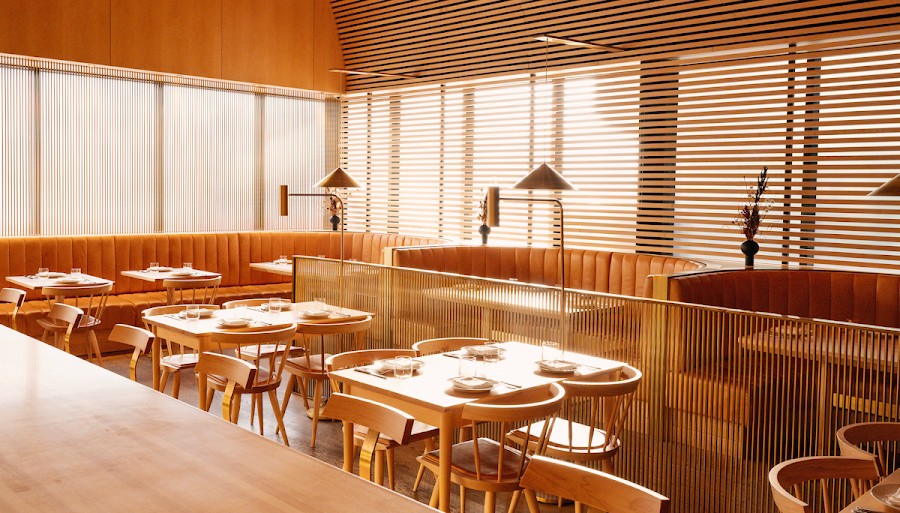
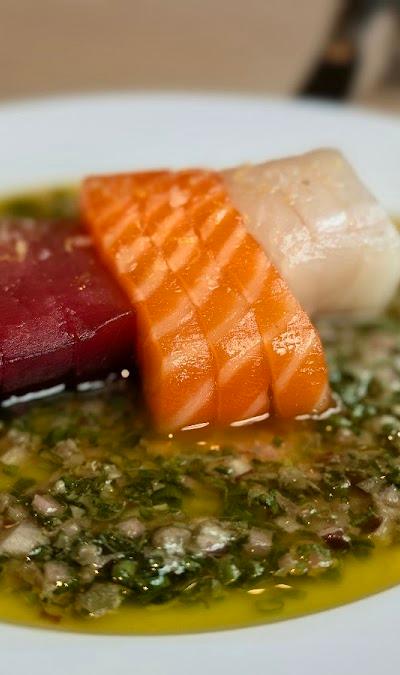
Prime Seafood Palace is a seafood omakase counter from the team behind Quetzal — Kate Chomyshyn, Julio Guajardo, and sommelier Remi Leroux — and its central premise is one that Toronto has not seen executed quite this way before: Japanese omakase discipline applied entirely to Canadian seafood sourcing. The result, by consistent account, is something genuinely singular. Where most omakase counters in the city default to imported Japanese product, this kitchen is reportedly built around relationships with Canadian suppliers who are selected specifically for what the kitchen's technique demands of them — a distinction that shapes the menu's character from the ground up.
The format itself is worth understanding before you book. Counter seats are the only configuration on offer, meaning the kitchen and the dining room occupy the same space. Diners consistently describe the experience as participatory in a way that a conventional tasting-room arrangement does not allow — courses arrive with the visible context of their assembly, and the omakase structure creates a natural framework for conversation between the kitchen and the counter. Because no verified dish list is publicly established, the menu should be understood as genuinely seasonal and responsive to supply, which is precisely the point the concept is making.
Practical considerations matter here. Reservations are reported to be competitive, and the window for booking should be treated accordingly — open the reservation system and move quickly. This is a counter built around seafood and around a specific kind of attentiveness to it, so a genuine interest in both the product and the conversation it generates is what the format rewards. Those expecting a passive tasting-menu experience may find the counter dynamic unfamiliar; those who engage with it are likely to find it among the more considered ways to spend an evening in Toronto's current dining landscape.
Explore next
Related guides
Guide • toronto
Best Restaurants in Toronto 2026
The definitive Toronto restaurant list — Alo at the top, Edulis close behind, and ten picks that span a 40-year institution, a wood-fire Mexican kitchen, a West African tasting menu, and the east end bistro everyone is suddenly talking about.
Read guide
Guide • toronto
Best Brunch in Toronto
A sharper Toronto brunch shortlist built for weekends that want real appetite, useful room energy, and plans worth making.
Read guide
Same guide in other cities
Get the App
Save these spots to your Toronto list
Save these spots to your Toronto list in the TastyPals app, then explore similar restaurants when you want a tighter shortlist for the night.