Best Restaurants in Los Angeles 2026
Ten LA restaurants that have earned their reputations without needing the city's hype machine — from a Venice patio institution to a Palms kaiseki sanctuary, a Downtown Israeli-Middle Eastern destination, and the Mid-City all-day room that defines California dining in 2026.
The best restaurants in Los Angeles are Gjelina, Bavel, Bestia, and more. Start with Gjelina if you want the strongest overall first pick.

Top picks at a glance
Who this guide is for
Los Angeles is one of the great food cities in the world, and the restaurants that define it in 2026 share a quality that's easy to miss: they're rooted. Rooted in a neighborhood, a cuisine, an ingredient obsession. These are the rooms that reward planning — and make the drive worth it every time.
Quick picks
On this page
How the restaurants compare


How we chose
We looked for restaurants that feel like a strong fit for the guide topic, not just the most obvious names in the city. The shortlist favors rooms with clear mood, dependable pacing, and enough distinction to help someone decide faster. Read our full methodology →
Lighting, pace, and general energy all need to support the reason someone clicked this guide.
We favored restaurants that feel best suited for the moment, not just restaurants with broad reputation.
The final list tries to give readers enough variation in neighborhood, price, and style to compare real options.
10 ranked picks
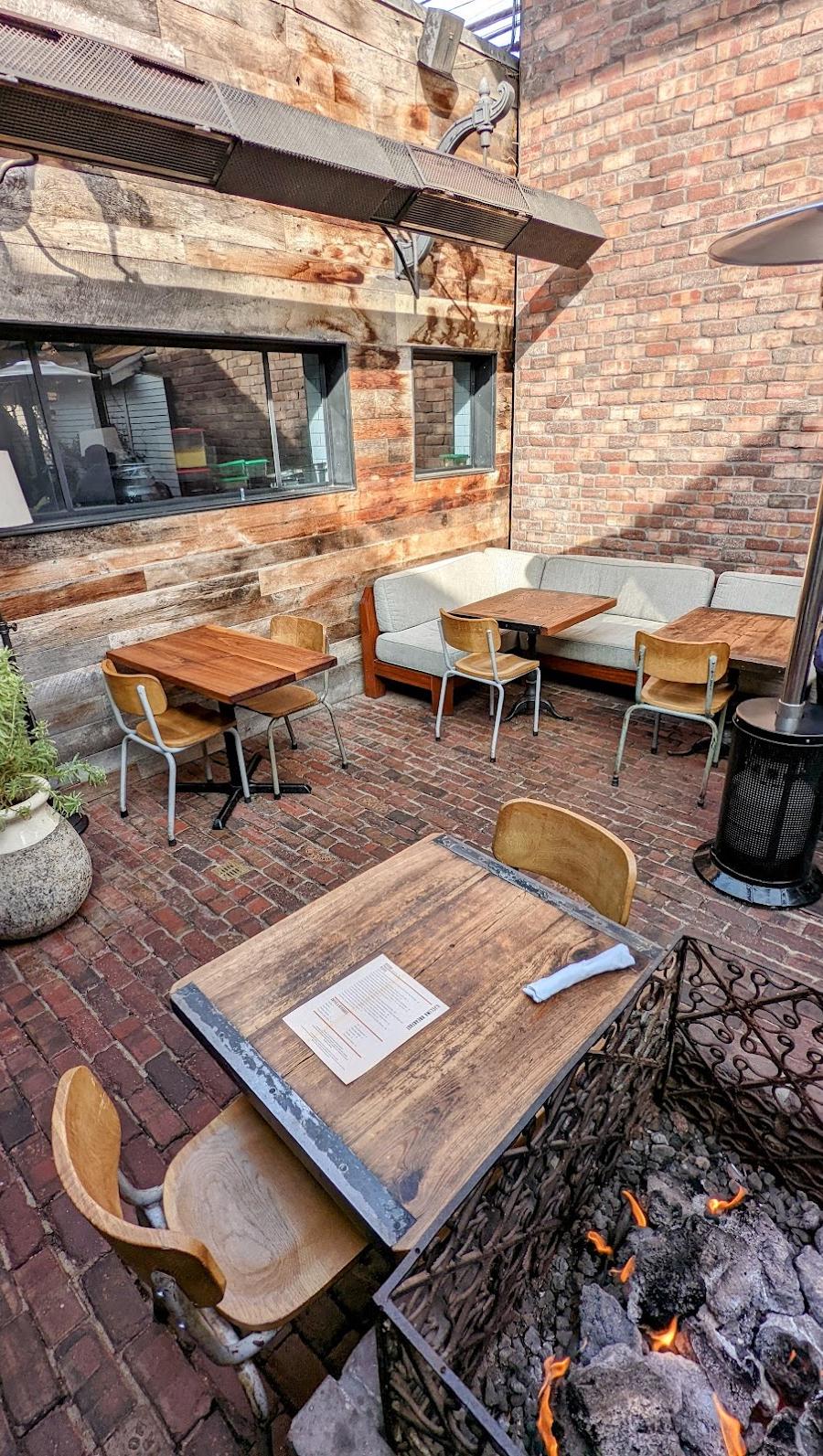
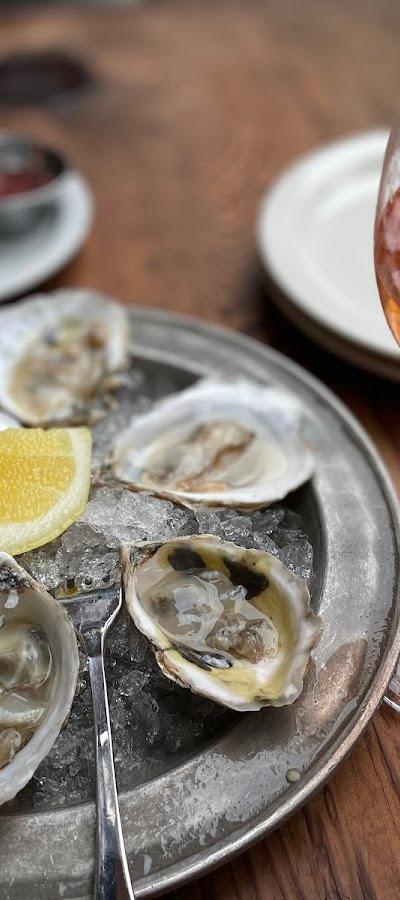
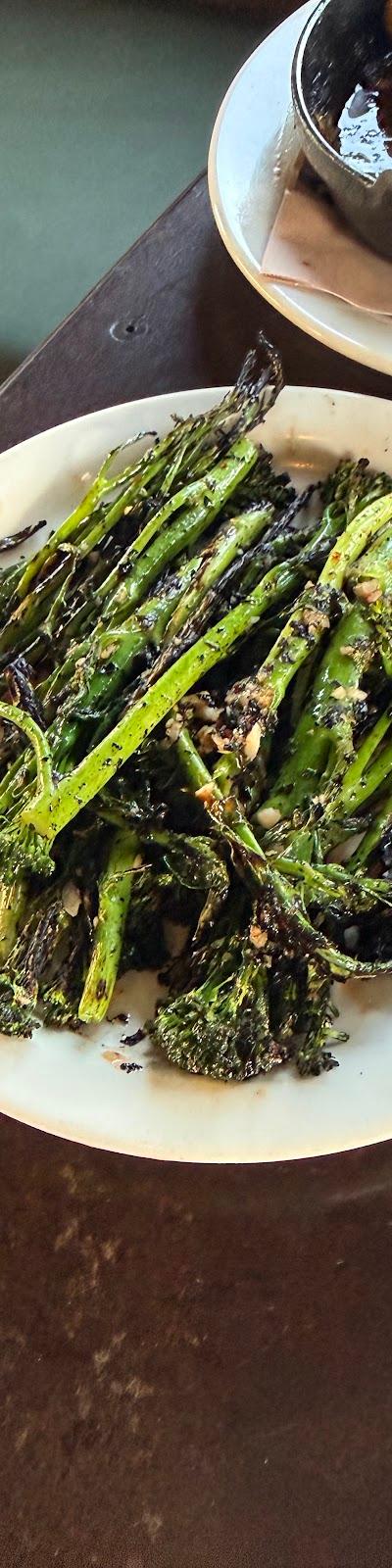
Gjelina takes the number one spot because it still makes the most persuasive case for a full Los Angeles meal: a room with energy, a menu built for sharing, and cooking that treats vegetables as central rather than supplemental. The current Venice menu moves confidently from the Mixed Mushroom pizza, with rosemary, confit garlic, and olive oil, to the Wood Roasted Cauliflower with garlic, chile, and vinegar. Add the Grilled Broccolini with garlic and fermented Fresno chile vinaigrette and the table already has a clear point of view.
Then order the Saffron Spaghetti. Bottarga, confit tomato, garlic, Calabrian chile, and breadcrumbs give it enough salt, heat, and texture to balance the vegetables and pizza. That range is what separates Gjelina from a very good patio restaurant. Reserve ahead for dinner, order across categories, and let the meal unfold slowly.
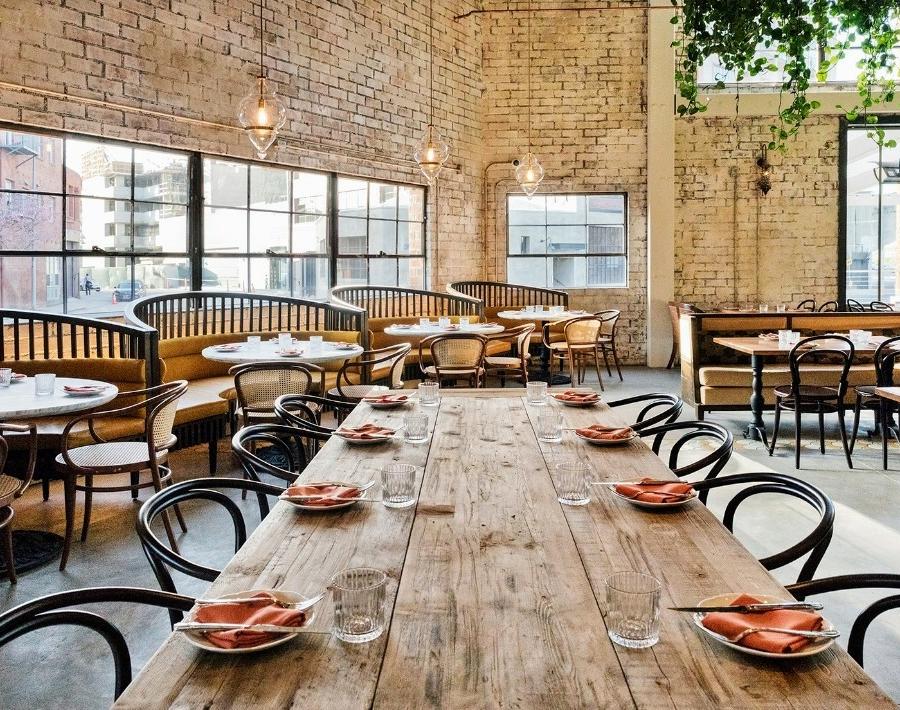
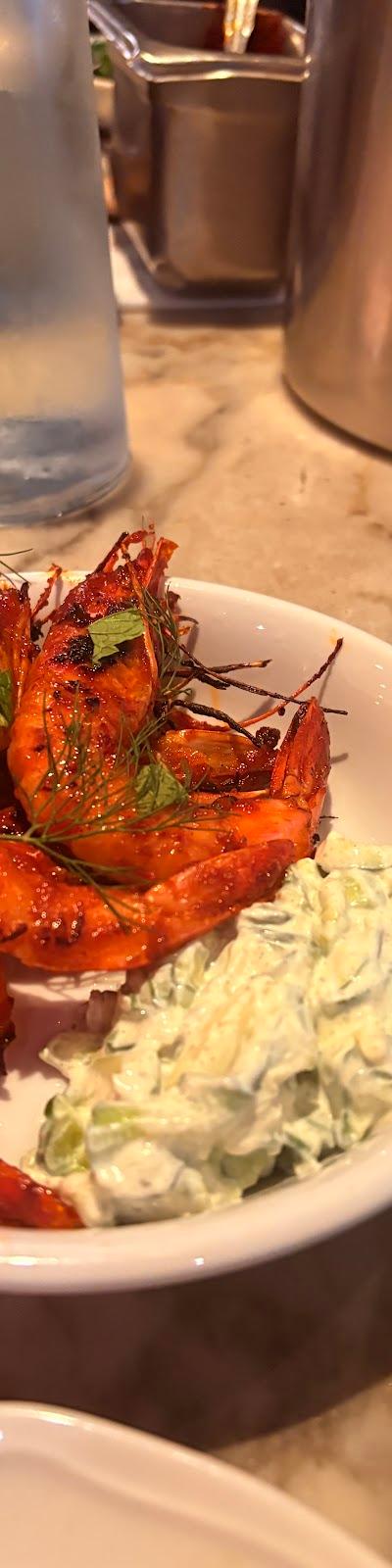
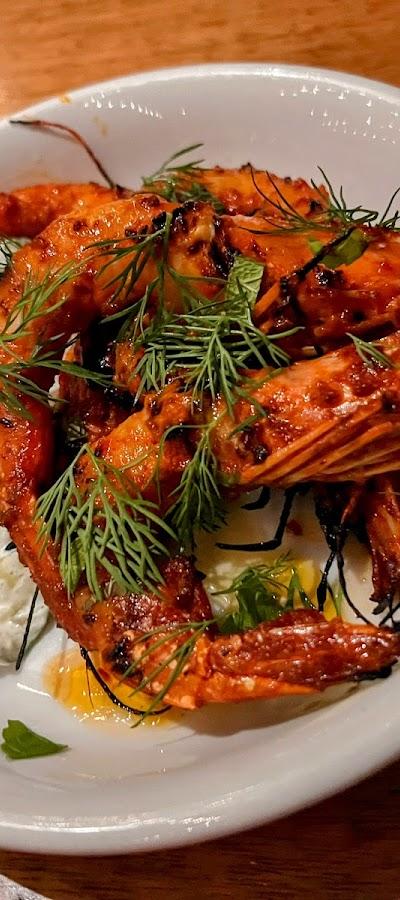
Ori Menashe and Genevieve Gergis's Arts District restaurant is one of the most transportive rooms in Los Angeles — all hanging botanicals, warm light, and the smell of the wood-fired hearth that drives the menu. The hummus arrives with a pool of olive oil and a crust of za'atar that makes every other hummus in the city seem like a rough draft.
The lamb neck shawarma, slow-roasted for hours, falls apart at the table. The mejool date cake with tahini caramel has achieved cult status. Bavel is where LA's Israeli and Middle Eastern cooking comes to make its strongest possible argument — and that argument is, at this point, impossible to dispute.
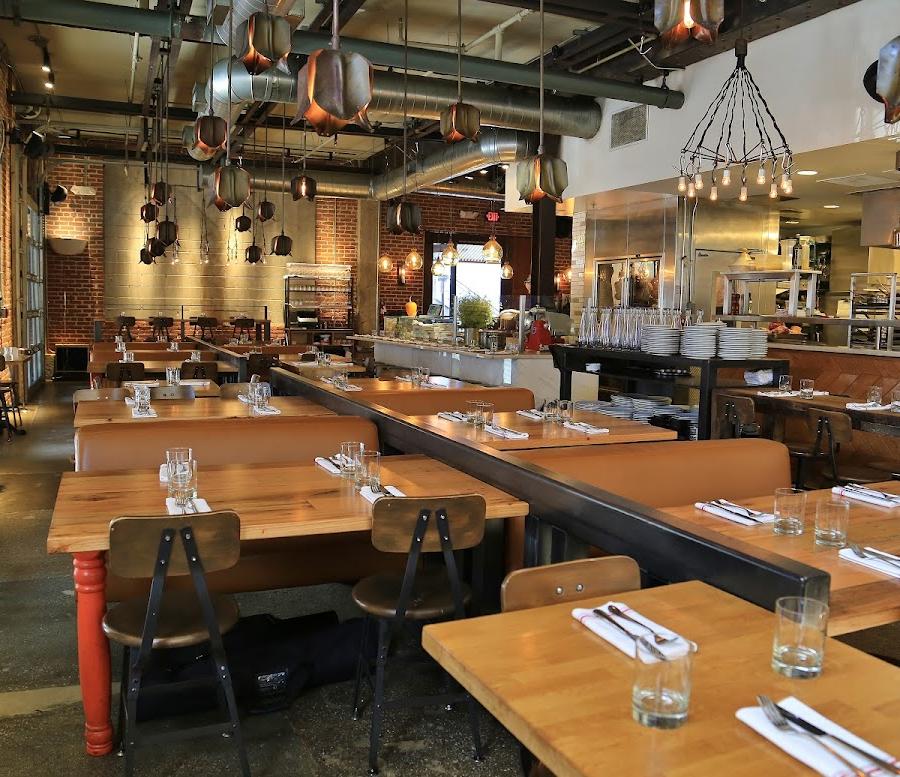
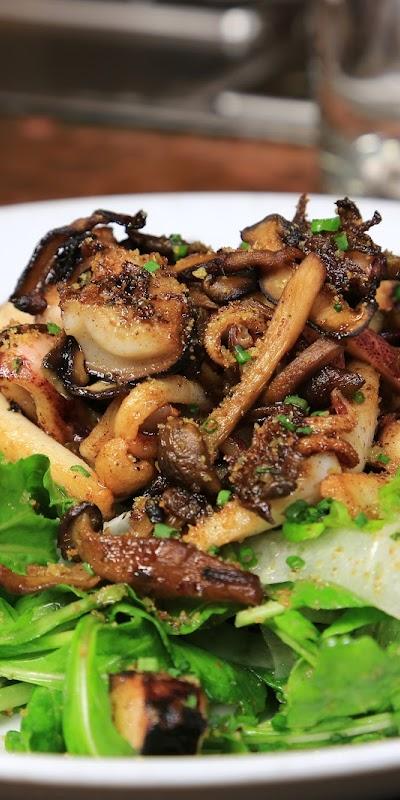
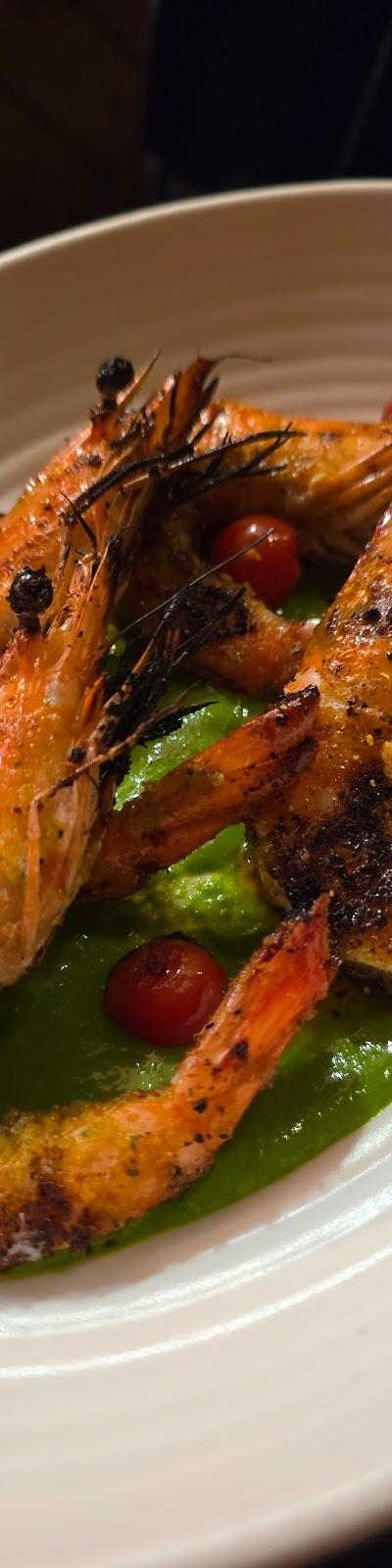
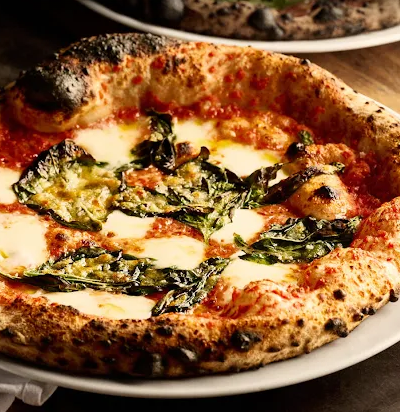
Ori Menashe and Genevieve Gergis's Arts District Italian room has somehow only gotten better with age since it opened in 2012. The pastas change seasonally but consistently represent some of the most technically accomplished handmade work in the city. The uni and burrata crostino, the grilled octopus, the pork liver mousse: Bestia's menu is a sustained argument for Italian cooking as the world's most satisfying culinary tradition.
The room is loud and joyful, the kind of place where you have to lean in to be heard and don't mind at all. Book weeks in advance, don't be late, and order the pasta that sounds strangest to you — it will be the one you remember.
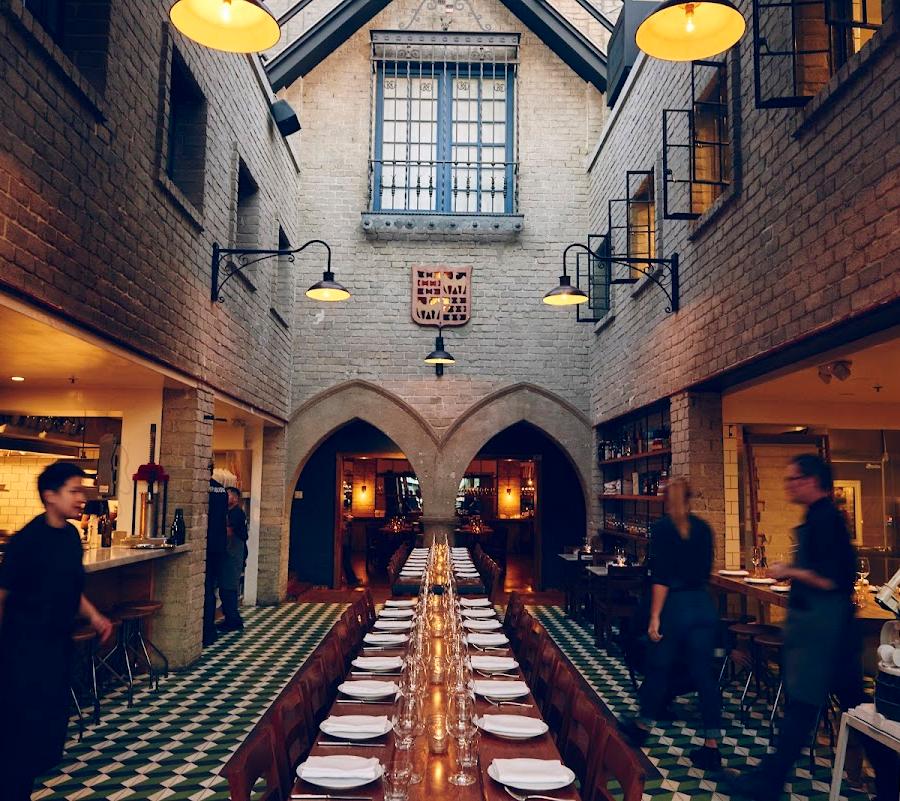
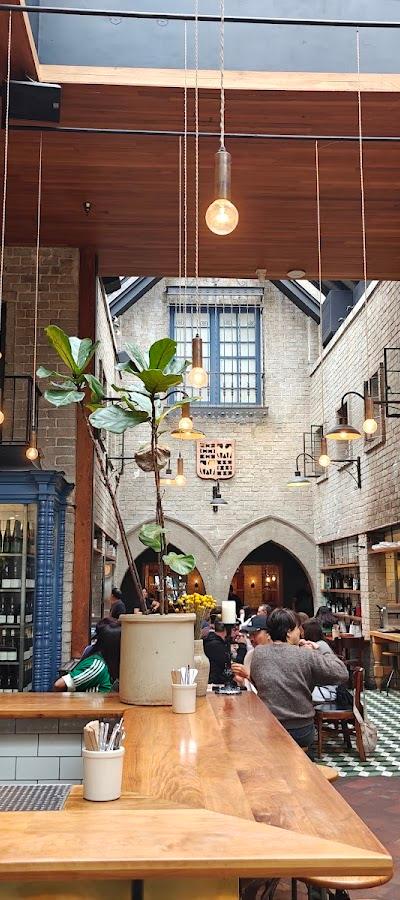
Walter and Margarita Manzke's Mid-City restaurant occupies a stunning 1929 Charlie Chaplin building, and the space earns every dish that comes out of it. The breakfast and brunch programs have made Republique the standard against which every LA morning meal is measured — the croissants are among the best in the country, the French toast with seasonal fruit is a serious argument for getting out of bed.
Dinner shifts to a confident French menu anchored by roast chicken, duck confit, and a cheese selection that reads like a trip to Lyon. One of the most essential Los Angeles restaurants, morning through night — the rare room that is genuinely worth visiting for every meal it serves.
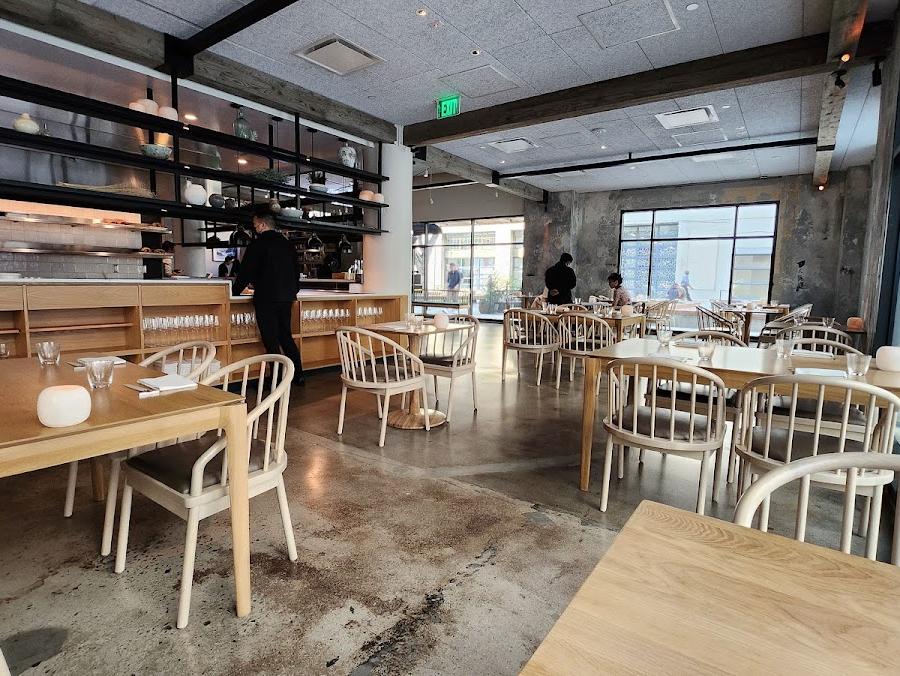
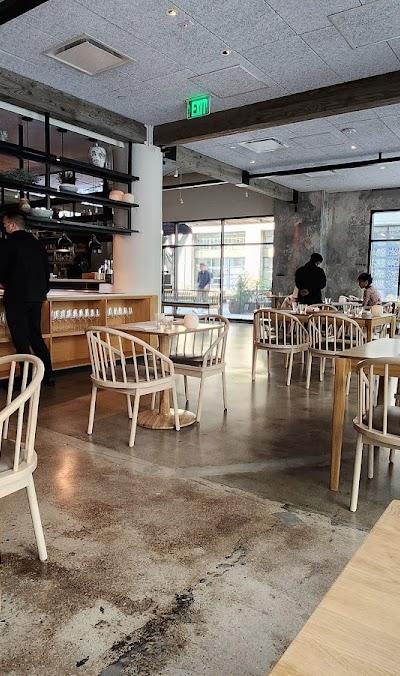
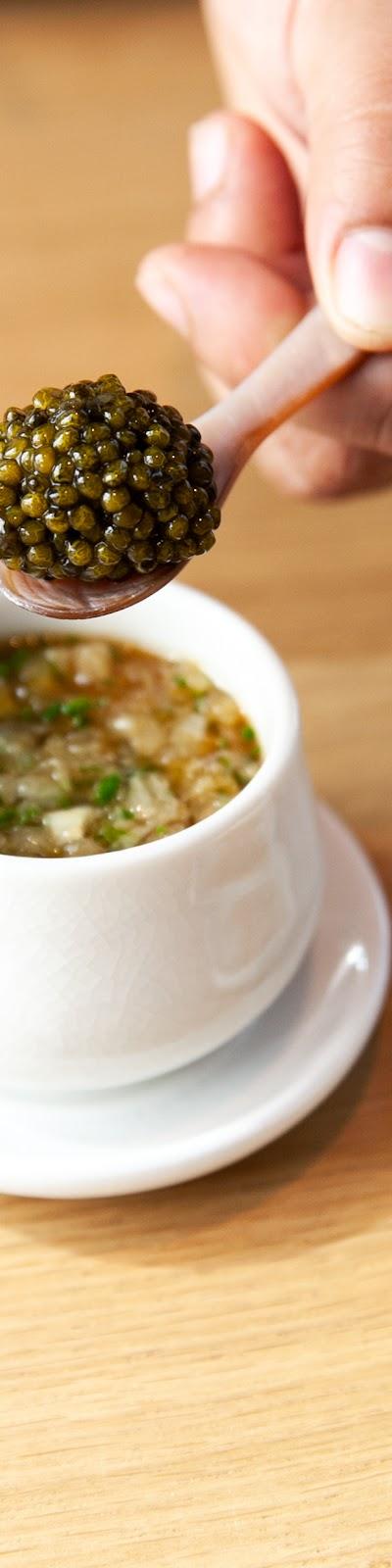
Chef Jon Yao's tasting menu restaurant in West LA earned a Michelin star in its first eligible year and has been refining its singular vision ever since. The cuisine resists easy categorization — it draws on Taiwanese technique, California ingredients, and a deeply personal aesthetic that produces dishes like a chawanmushi scented with dried shrimp, or abalone with aged lard and winter melon.
Every course feels considered rather than clever. The pacing is unhurried. The wine pairings lean toward unexpected natural bottles. Kato is the best argument for why LA's tasting menu scene deserves the same attention as any room in New York or San Francisco.
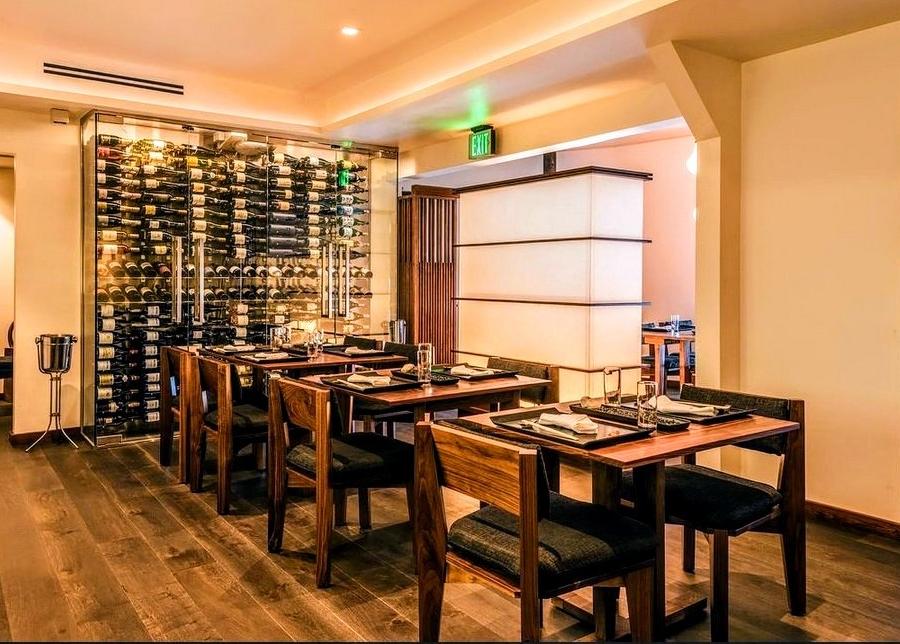
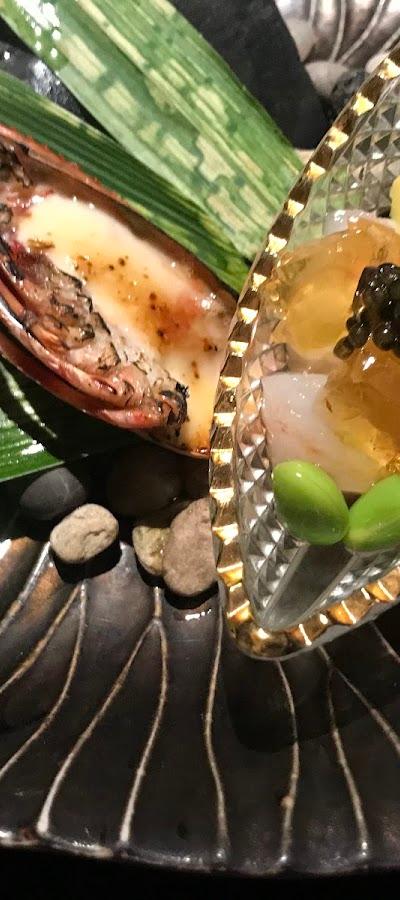
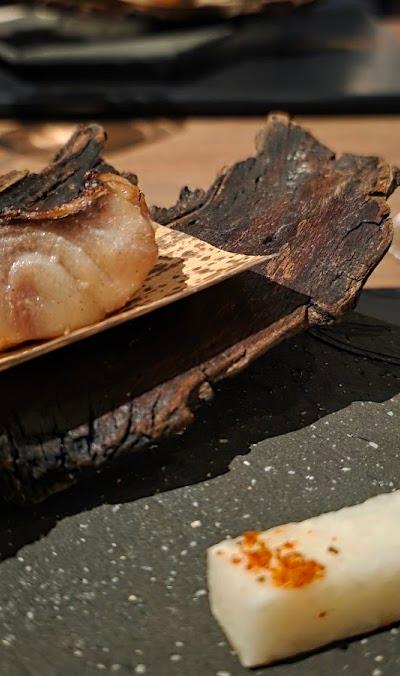
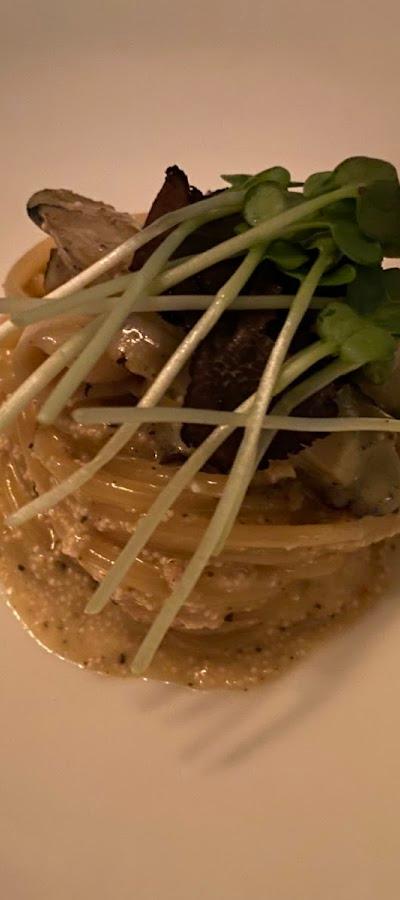
Chef Niki Nakayama's kaiseki restaurant in Palms is one of the most difficult reservations in the country — and worth every attempt. The thirteen-course omakase follows the classical kaiseki structure but fills it with California ingredients and Nakayama's own aesthetic intelligence. The abalone from Monterey, the Santa Barbara uni, the A5 wagyu that arrives midway through: n/naka makes the case that California's ingredient culture and Japanese technique belong together.
Nakayama and her partner Carole Iida-Nakayama run a room that feels both disciplined and deeply human. This is one of the most complete dining experiences in the country — a meal that respects your time, your palate, and the traditions it draws from equally.
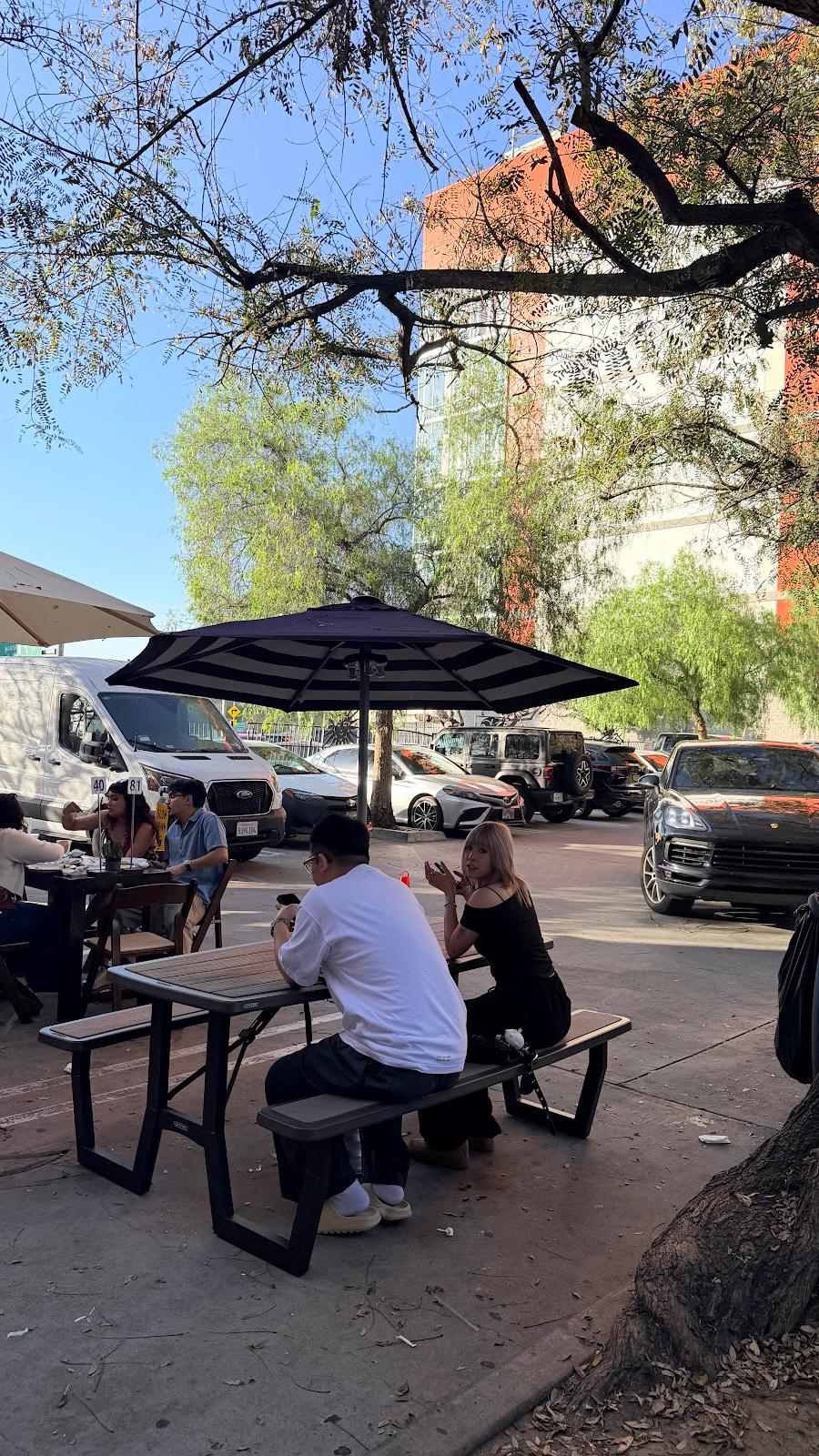
Holbox occupies a counter stall inside Mercado La Paloma in South Central Los Angeles, and its reputation has grown steadily and without apparent effort into something that commands serious attention across the city's dining conversation. Chef Gilberto Cetina anchors the menu in the coastal cooking of the Yucatán peninsula, with a focus on raw and minimally processed seafood that diners and critics alike consistently describe as precise far beyond what the food-hall setting would suggest. The format is deliberately spare — a chalkboard listing the day's catch, limited seating, and a lunch-driven pace — which means the cooking has nowhere to hide, and by most accounts it doesn't need to.
The menu has no verified dish list on file, so specific plates are best confirmed on arrival or via the counter's current board. What Holbox is broadly known for is sourcing-forward seafood preparation in which the quality of the fish does the structural work: aguachiles, ceviches, tostadas, and smoked preparations are recurring categories that appear across coverage of the restaurant. The specials column reportedly shifts with availability, and regulars advise treating it as the primary menu rather than an afterthought. Cetina's reputation rests specifically on his handling of both raw and cooked fish, and the kitchen is consistently cited for the kind of technique that reads as restraint rather than simplicity.
Practically speaking, Holbox operates within market hours and draws a genuine midday crowd, so an early arrival is the standard advice from anyone who writes about it. Seats are few, the room is informal, and the experience is built around the plate rather than the atmosphere. Check the board on arrival, defer to whatever is freshest that day, and plan around a weekday lunch if you want the best chance at a seat without a wait.
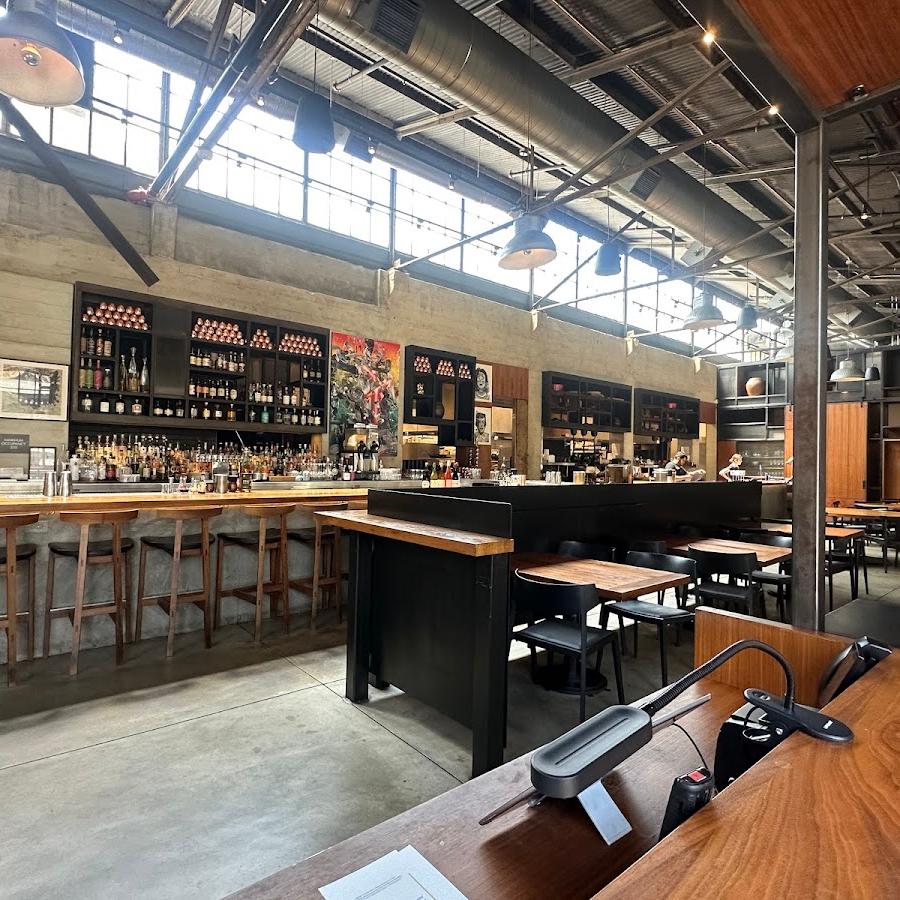
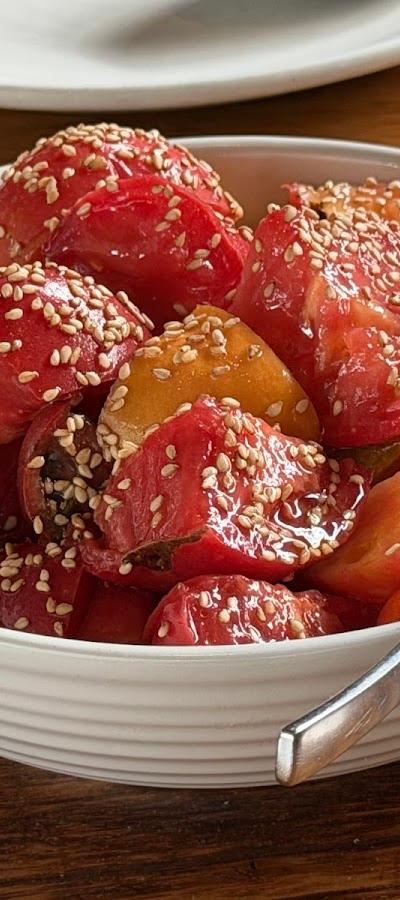
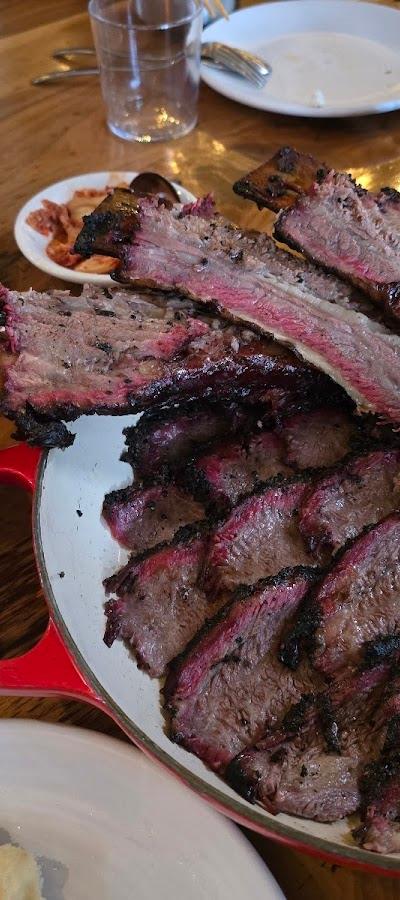
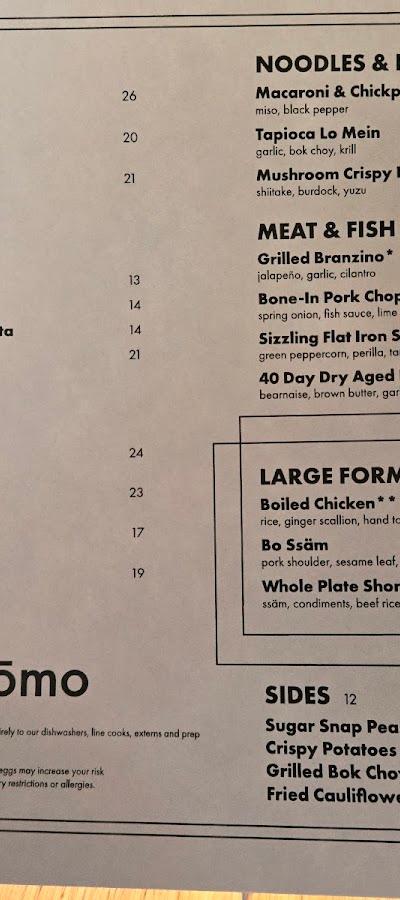
David Chang's Chinatown restaurant opened in 2018 and remains the most distinctly LA expression of his cooking philosophy — big-format dishes, Korean and American technique in conversation, and a room that feels more like a festival than a dinner. The prime rib chap chae is the anchor: slow-roasted beef that collapses at the fork, served with glass noodles and cooking juices that make you want to drink straight from the pan.
The banchan that arrives before the mains is as good as any in the city. Come with at least four people, order the whole-animal dishes, and leave time for the soft serve at the end. Majordomo is the restaurant you think about for weeks afterward.
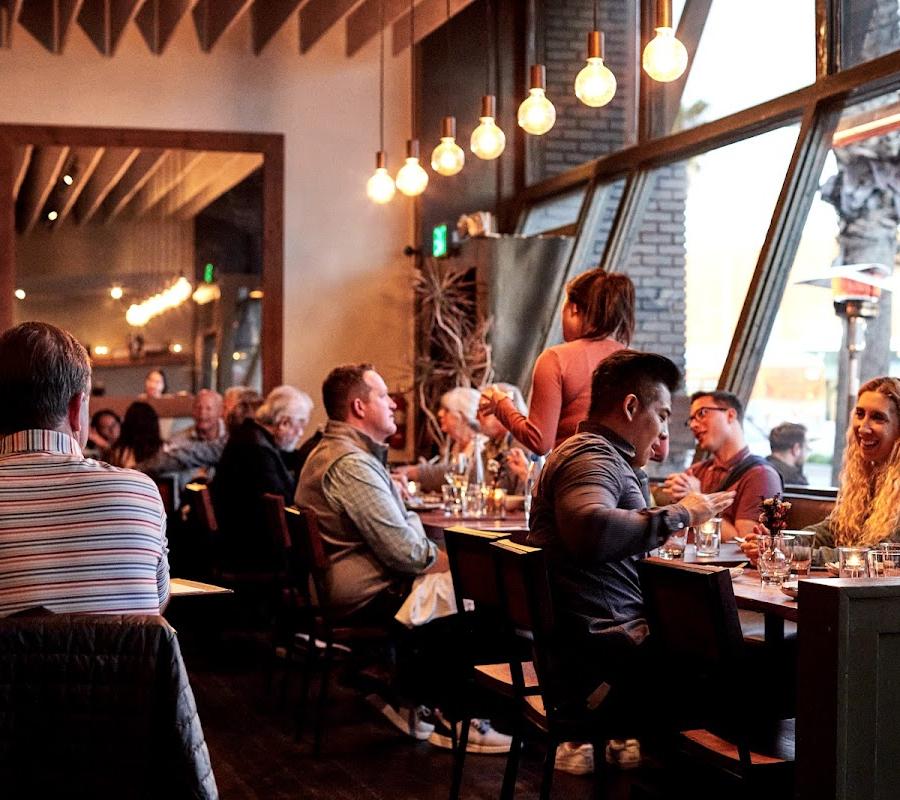
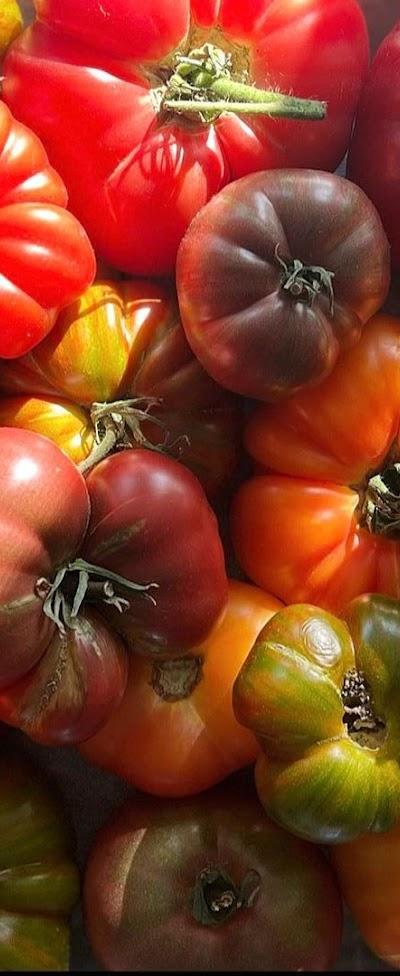
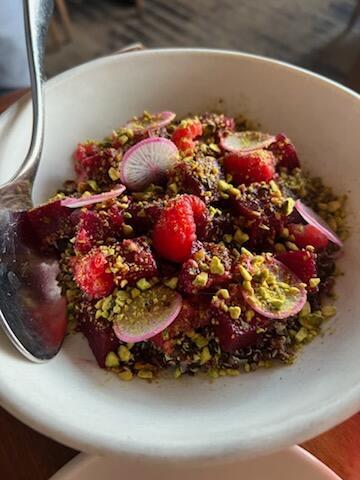
Andy Doubrava's Santa Monica restaurant has quietly become one of the most important kitchens in the city for farmers and seasonal cooking. The menu changes daily based on what the restaurant's farm partners deliver each morning — which means a dish you loved last month won't be there next week, and whatever has replaced it will be equally worth ordering.
The pasta program is exceptional. The vegetable dishes achieve a clarity that most restaurants can't reach with proteins. Rustic Canyon is where LA's ingredient culture finds its most honest, unadorned expression — and where the best argument for California cooking as a serious culinary tradition gets made every single night.
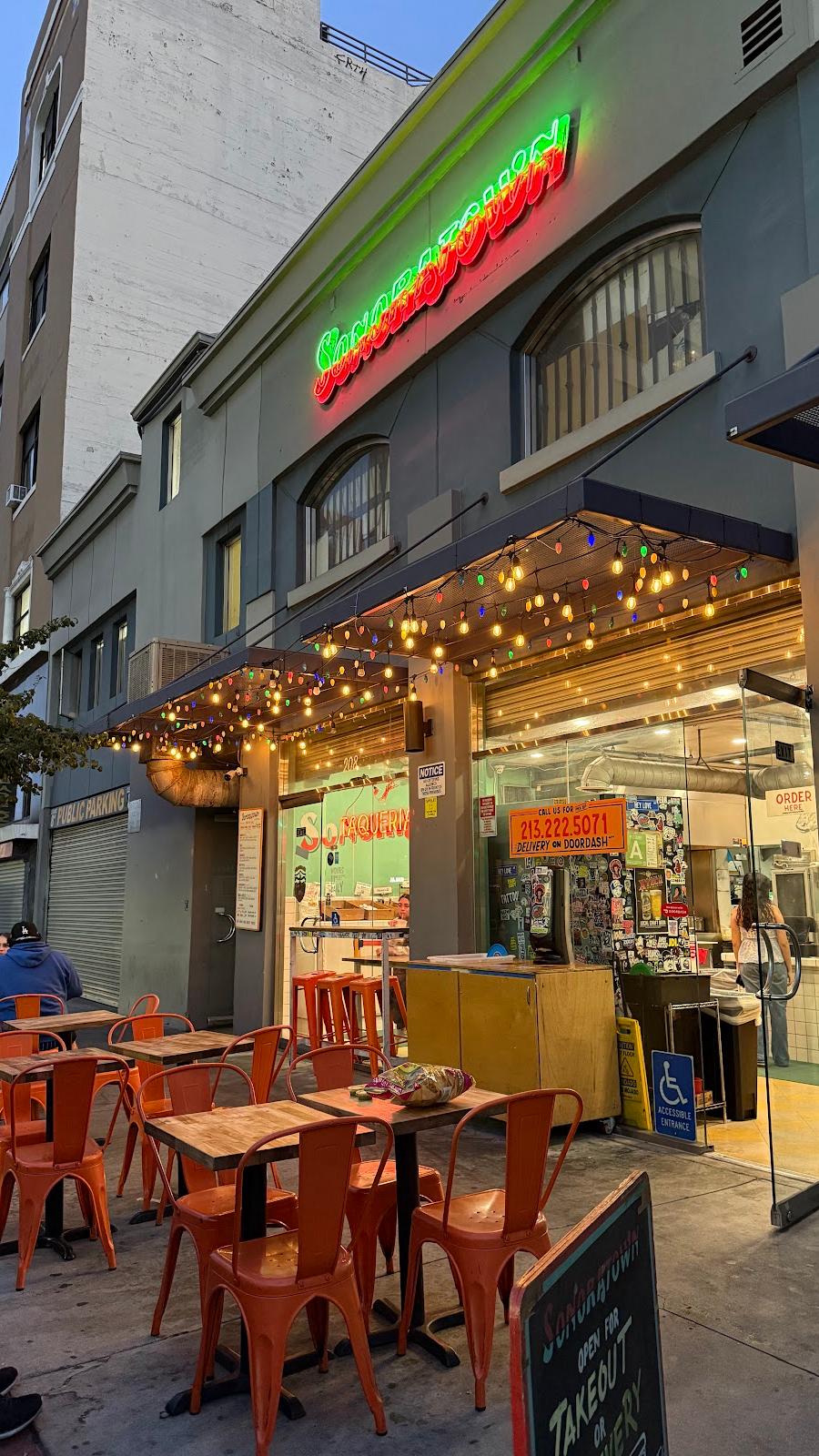
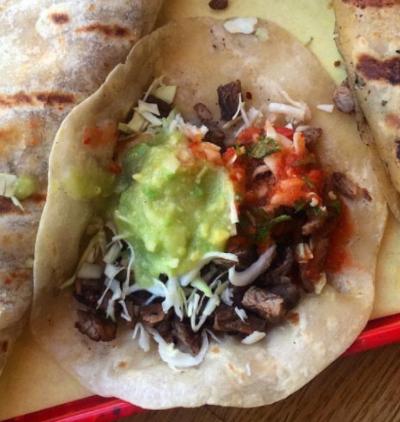
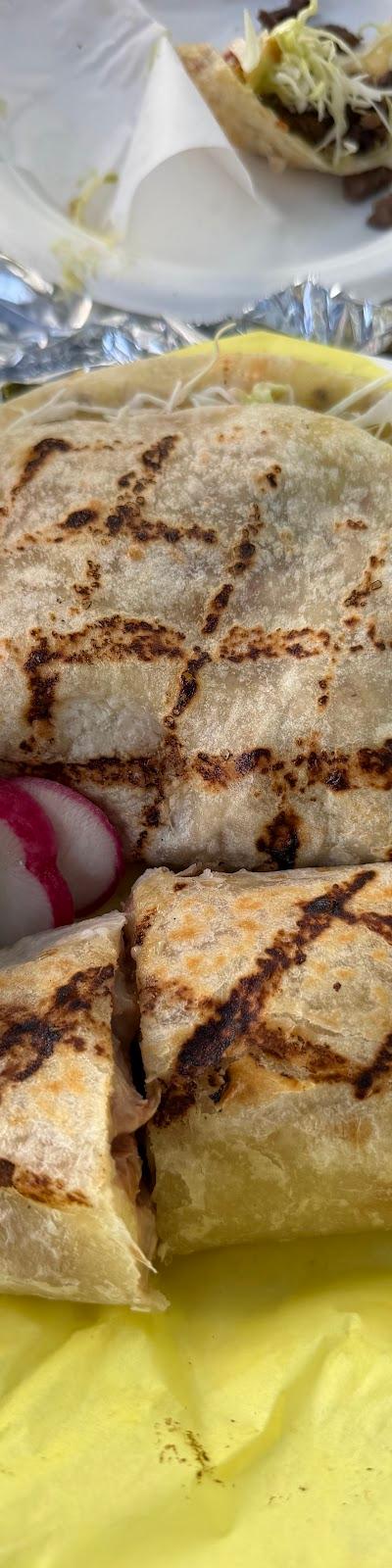
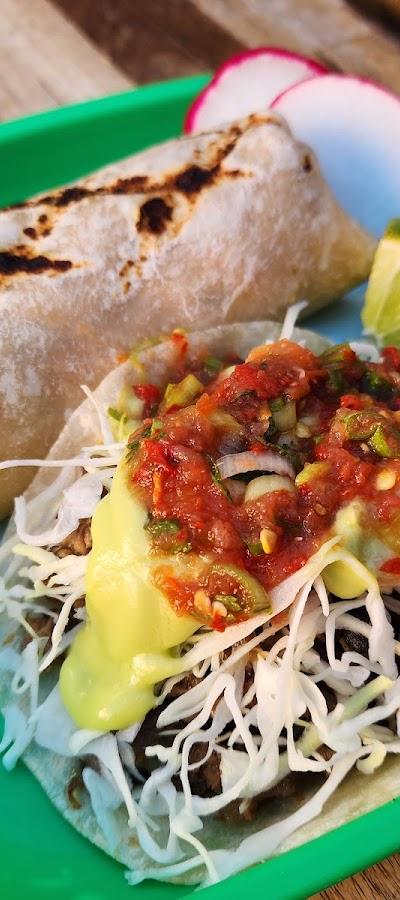
Sonoratown is the downtown taquería that built its reputation on a single, deceptively simple commitment: the flour tortilla. Not the mass-produced, shelf-stable kind, but the hand-rolled, scratch-made tradition of Sonora, the northern Mexican state where flour tortillas are as foundational as corn is elsewhere. That regional specificity is the whole concept, and it has turned a bare-bones counter operation in downtown Los Angeles into what serious taco people apparently cross the city for. The room reflects the priorities — a griddle, a counter, a few stools, nothing decorative. The cooking is where all the attention went.
The menu centers on the Sonoran canon, and the chivichanga and carne asada taco are consistently cited as the essential orders. The carne asada is mesquite-grilled, a preparation that diners and critics repeatedly describe as carrying real smoke into every element of the taco. The lengua, when available, has developed a following of its own, known for a depth of flavor that rewards the order. The costra — a crisped-cheese taco — is reportedly the move for anyone leaning indulgent. But the throughline in virtually every account of Sonoratown is the tortilla itself: thin, pliant, made in-house, and treated as the point rather than the vehicle. The salsas are consistently praised as sharp and well-calibrated to the rest of the menu.
Sonoratown lands on both the best-restaurants and best-budget lists, which is a combination that doesn't happen often. A full meal here reportedly costs almost nothing by any Los Angeles standard. Lines form at peak hours and move at a reasonable pace. This is a counter-lunch place or a casual stop — not a lingering dinner situation. Come with a clear order in mind and skip the hesitation.
Explore next
Related guides
Guide • los angeles
Patio Restaurants in Los Angeles
Open-air Los Angeles restaurants where the setting adds to the meal — from Venice beach patios to the Design District's most scenic outdoor tables and Malibu hillside rooms.
Read guide
Guide • los angeles
Best Fine Dining in Los Angeles
Los Angeles fine dining rooms worth the reservation — from a Michelin-star kaiseki sanctuary in Palms to the city's most celebrated California-Chinese and Italian tasting menus.
Read guide
Same guide in other cities
Get the App
Save these spots to your Los Angeles list
Save these spots to your Los Angeles list in the TastyPals app, then explore similar restaurants when you want a tighter shortlist for the night.