GuideUpdated July 15, 2026

15 Best French Restaurants in Montreal

The 15 best french restaurants in Montreal, sorted by rating and curated by TastyPals editors.

The best french restaurants in Montreal are BOUILLON BILK, Le Pégase, Le Club Chasse et Pêche, and more. Start with BOUILLON BILK if you want the strongest overall first pick.

By Sophie Laurent15 ranked picksPublished July 15, 2026Updated July 15, 2026
15 Best French Restaurants in Montreal
Google

Top picks at a glance

How the restaurants compare

How we chose

We looked for restaurants that feel like a strong fit for the guide topic, not just the most obvious names in the city. The shortlist favors rooms with clear mood, dependable pacing, and enough distinction to help someone decide faster. Read our full methodology →

Room tone

Lighting, pace, and general energy all need to support the reason someone clicked this guide.

Food fit

We favored restaurants that feel best suited for the moment, not just restaurants with broad reputation.

Useful range

The final list tries to give readers enough variation in neighborhood, price, and style to compare real options.

15 ranked picks

BOUILLON BILKBouillon Bilk occupies a stretch of Saint-Laurent in downtown Montreal that does not announce itself as a destination block, which is part of the point. The room is deliberately spare — bright, minimal, the kind of space that signals the kitchen intends to be the whole conversation. That restraint has become something of an identity. By reputation, it is the restaurant Montreal chefs recommend to other chefs: not a room built around occasion theatre, but one that asks diners to meet the cooking on its own terms. The menu is rooted in modern Quebec sensibility — inventive combinations, precisely composed, without apparent interest in showmanship for its own sake. No verified dish list is on file here, so naming specific plates would be speculation. What the restaurant is consistently known for, across years of critical and peer attention, is a kitchen that pairs ingredients with genuine intelligence: combinations that reportedly read as unlikely on the menu and arrive making clear sense on the plate. The dessert program is noted as matching the savoury courses in ambition rather than trailing off, which is rarer than it should be at this level. Bouillon Bilk functions as a serious date-night or special-occasion choice downtown, suited to diners whose priority is the cooking rather than the room's social spectacle. It has maintained its standing quietly over a number of years — no reinvention, no apparent drift toward crowd-pleasing — which is its own form of recommendation. Reservations are advisable; the room is small and the reputation means tables move. Go expecting precision and restraint, not performance. View restaurant →
Le PégaseLe Pégase is the kind of bistro that operates on an implicit understanding with its clientele: French cooking, done without performance, in a room that knows its purpose. There is no concept to unpack here, no irony layered over the menu. At a genuinely modest price point for Montreal, what you are paying for — by all accounts — is the cooking itself, and the cooking appears to take that responsibility seriously. That combination is rarer than it should be, and it is what gives this place its particular reputation among people who eat this way regularly. The menu centers on classical bistro technique with enough ambition to keep things interesting. The Foie gras au torchon is consistently cited as the dish that anchors the room — dense, rich, the kind of preparation that rewards patience rather than speed. The Tartare de truite is reported to be restrained in the best sense: clean, cool, letting the fish carry the argument. The Profiteroles au bœuf braisé et fromage de chèvre is the menu's most talked-about provocation — savory choux filled with braised beef and goat cheese, a combination that reportedly reads as strange until it doesn't. The Carré d'agneau aux 2 moutardes and Magret de canard are the plates that diners describe as the room's backbone: unironic French technique, executed with enough precision to make the classical case. Practically speaking, earlier in the week — Tuesday or Wednesday — is when the room is said to hold its shape best; weekends tip toward the celebratory and the pace shifts accordingly. Seating toward the back reportedly offers more breathing room. The Foie gras au torchon is the move regulars return for — start there, and let the rest of the evening follow. View restaurant →
Le Club Chasse et PêcheLe Club Chasse et Pêche occupies a stone-walled cellar in Old Montreal — low ceilings, dark wood, no windows — a room that has been deliberately engineered to make time irrelevant. The name declares the kitchen's commitment: hunting and fishing, land and sea handled with classical French precision rather than rustic informality. Chef Antonin Mousseau-Rivard has maintained the restaurant's position among Montreal's most serious fine dining destinations for years, and the consistency of that reputation is itself worth noting. This is not a room that chases trends; it holds a position and defends it. Because no specific dishes are currently verified for this review, what can be said with confidence is that the kitchen's reputation rests on its handling of the two poles announced by its name — game and seafood — treated with the kind of technical rigour that justifies a special-occasion price point. Diners consistently describe the experience as unhurried and composed, the pacing calibrated to a long evening rather than a quick turn. The wine list is reported to lean heavily into Burgundy and the Rhône, which is the correct call for cooking of this register and ambition. Whether the kitchen fully earns the cheque on any given night is the question every serious room must answer service by service — but the weight of accumulated reputation suggests it answers it more often than not. Practically: this is a booking-ahead proposition, particularly for weekend tables, where a week or more of lead time is the realistic minimum. Corner tables in the cellar are reportedly the ones to request. Plan the evening around the room's pace rather than your schedule — arriving with somewhere to be afterward is the wrong approach entirely. View restaurant →

Get the App

Save these spots to your Montreal list

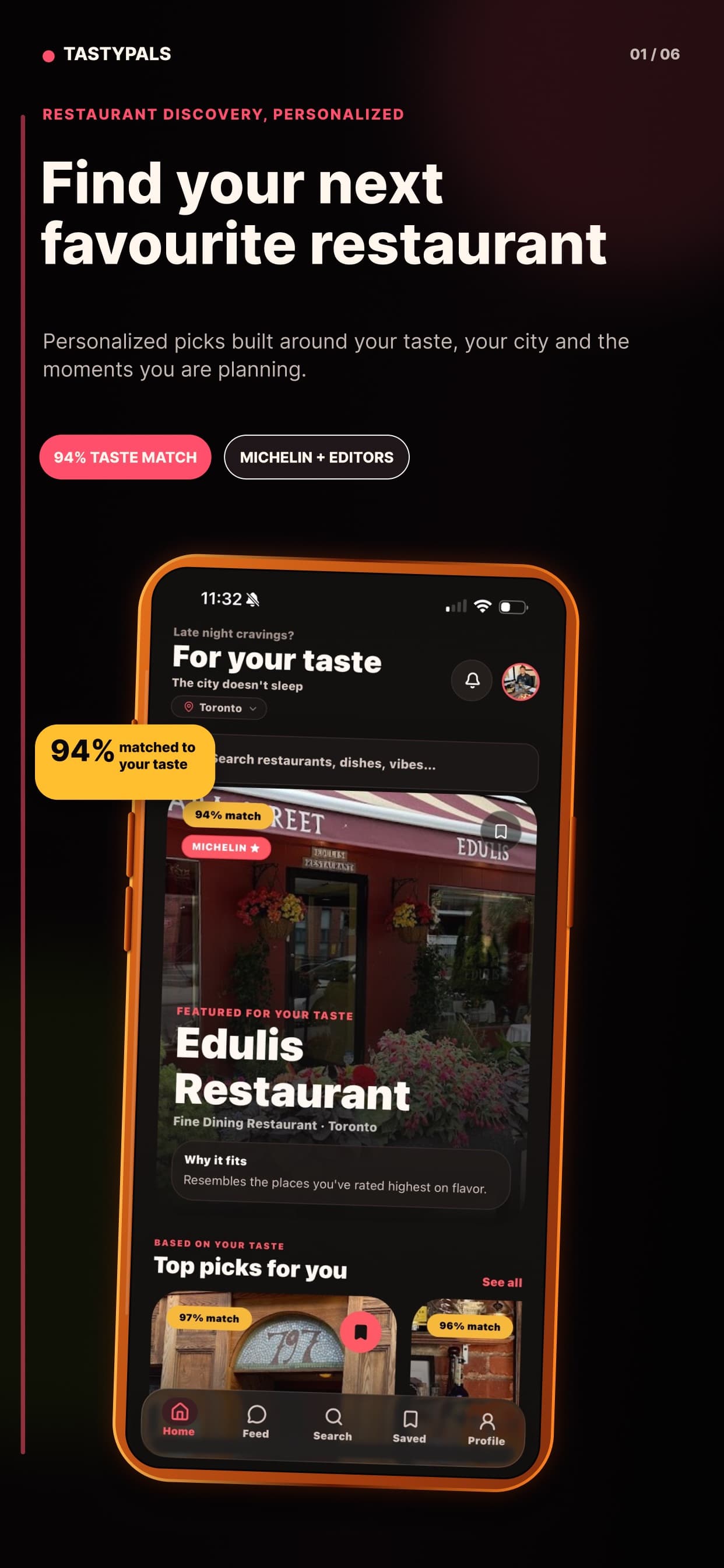
Keep the shortlist handy in the TastyPals app and find similar restaurants across Montreal.

Personalized city picksCleaner shortlistsBuilt for iPhone and Android
TastyPalsTonight
Your taste. Our picks.
Smarter follow-through after the guide: better restaurant context, quicker narrowing, less second-guessing.
For tonight
Date night spots with warm rooms and polished service
Next step
Keep exploring in the app when you want a tighter shortlist
L'ExpressL'Express has operated on Rue Saint-Denis since 1980, and its reputation rests on something rarer than a strong opening year — it rests on four decades of consistency in a neighbourhood that has cycled through trends and closures without interrupting the bistro's rhythm. The room itself communicates the argument before the food arrives: tiled floors, mirrored walls, white tablecloths. Nothing about the space has been updated to signal ambition, because the room's age is the point. This is what a French bistro looks like when it has decided what it is and declined to revisit that decision. Because no verified dish list exists in our records, it would be irresponsible to describe specific plates in detail — but the menu's reputation is well-documented and consistent across sources. L'Express is known for classical French bistro cooking executed with discipline rather than interpretation: the kind of menu refined across decades rather than reworked for each incoming audience. Diners and critics alike have long pointed to the kitchen's commitment to technique over novelty, and the restaurant's staying power in Montréal's food conversation is widely attributed to that restraint. The cooking is reportedly calibrated, not showy — the sort of food that earns loyalty from regulars rather than headlines from newcomers. Practically, L'Express operates late and accepts walk-ins at the bar, which has historically made it accessible in a way that tasting-menu rooms are not. The price level sits at mid-range by Montréal standards — not an everyday proposition, but not a special-occasion investment either. For visitors trying to understand what makes Montréal's dining culture distinct from other North American cities, this bistro's longevity and positioning offer a more useful education than novelty alone. Book ahead if you want a table; plan for the bar if you do not. View restaurant →
Restaurant Bagatelle Bistro Apportez votre vinForty years under the same ownership, a BYOB policy, and a room that reportedly manages to feel both light and genuinely cozy — Bagatelle Bistro is the kind of Hochelaga institution that doesn't need to announce itself. Chef Jérôme Boully runs a kitchen with real Mediterranean instincts, and the proximity to the Maisonneuve Market shows up in a seasonal à la carte menu that shifts meaningfully between visits. This is a place known for letting you walk in with a serious Burgundy and spend almost nothing doing it — the kind of math that makes the BYOB format feel less like a quirk and more like the whole point. It earns zero points for hype. It earns every point for consistency. The menu centers on a few dishes that diners consistently return for. The Tartare de Bœuf Fumé is the one that sets the tone — smoked beef tartare being a specific commitment, smoke used to cut richness rather than overwhelm it, by all accounts. The Magret de Canard Poêlé is the kitchen's signature protein move, a duck breast preparation that regulars point to as the reason to come back. On the starter side, the Rouleaux Impériaux au Canard Confit and the Chèvre Chaud et Figue Fraîche — warm goat cheese against fresh fig — are reportedly treated with the same seriousness as the mains, which tells you something about how Boully thinks about a meal's arc. Close with the Pouding Chômeur, a Québécois classic that the kitchen is said to respect enough not to overthink. The outdoor garden is the move in summer — book it specifically or you'll end up watching someone else enjoy it. Weekend brunch draws a crowd, so mid-week dinner tends to be calmer. Bring the best bottle you're comfortable opening. View restaurant →
Restaurant BonaparteRestaurant Bonaparte has occupied the same Old Montreal address since 1984, and that duration alone signals something worth interrogating. Four decades in a city's most photographed neighbourhood is not achieved through charm alone — it requires a kitchen and a room that consistently justify the occasion. The space divides across three distinct halls: L'Impératrice, anchored by a fireplace; the Verrière, which draws on filtered natural light; and the Centre, oriented toward the street. The Empire styling throughout risks tipping into theatrical pastiche, but by most accounts the décor functions as backdrop rather than headline, which is the correct hierarchy for a room at this price level. The menu positions itself as classically French with deliberate Québécois accommodation — a pairing that can read as either honest or obligatory depending on execution. The bisque de homard relevée au gingembre is one of the kitchen's more discussed starters, known for precision in its seasoning rather than volume or showmanship. The magret de canard rôti, finished with maple and wild berries, is a combination that could easily collapse into sweetness; diners consistently report that the kitchen keeps that balance in check. The crème brûlée et foie gras de canard poêlé sur toasts de pain d'épices is the most theatrically conceived dish on the menu and reportedly lands on the right side of composed rather than gimmicky — though it remains the kind of pairing that asks the kitchen to exercise real restraint. At price level three, Bonaparte is squarely in special-occasion territory, and the consistency of its reputation across four decades suggests it meets that expectation more often than not — through room quality and dependable execution rather than novelty or reinvention. Reserve L'Impératrice if the occasion calls for privacy, and plan to linger. View restaurant →
BARROCOBarroco occupies one of Old Montreal's candlelit stone rooms — exposed brick, low ceilings, the kind of cave-like intimacy that the neighbourhood's 18th-century buildings produce almost effortlessly. The space has a reputation as one of the more genuinely romantic dining rooms in the city, and from everything written about it, that reputation is architectural rather than atmospheric sleight of hand. The room does the work. The pacing, the low light, the gap between tables — it all points toward a slow dinner for two rather than a loud table of six. The cooking is Mediterranean-leaning and built around a wood grill, which shapes the menu's character more than any single dish. The paella is considered the signature — reportedly made to order, centered on the socarrat, that toasted, caramelised crust at the base of the pan that separates a committed paella from a casual one. The saffron-and-seafood construction is what diners consistently come back to. The wood-grilled meats and the seafood plates carry the same rustic confidence the room calls for, and the bone marrow has developed a following among tables looking for something rich and deliberate to share. The wine list is said to lean Mediterranean, which tracks with the menu's overall logic. This is, by most accounts, a date-night room first — the food earns its place, but the stone interior is doing meaningful atmospheric work alongside it. That distinction matters: Barroco is not a place where the cooking alone drives the evening, but a place where room and menu are genuinely calibrated to each other. Book ahead for weekends, and when you do, it's worth asking specifically for a table in the stone room rather than near the entrance. View restaurant →
ModavieLet's get the geography right first: Modavie is on Rue Saint-Paul in Old Montreal, not NDG — and that address matters. Old Montreal is a neighborhood where restaurants can survive entirely on cobblestone charm and tourist goodwill, which makes it genuinely notable that Modavie has spent nearly three decades doing the opposite. Since 1997, this two-floor jazz bistro has built its reputation on seven nights a week of live music, a room defined by aged wood and serious wine, and a kitchen that treats the French bistro canon with actual respect rather than nostalgic decoration. OpenTable has placed it on their Top 100 Beloved Restaurants list in Canada — the kind of recognition that tends to follow sustained execution rather than a single good season. The menu leans hard into classical French technique, and the three dishes worth knowing about illustrate the range. The Duck Confit is reportedly built around a duck demi-glace spiked with amaretto and coffee — a combination that sounds like it shouldn't work, but diners consistently describe as a smart counterpoint to the richness of the bird, with sarladaise potatoes doing the supporting work. The Braised Lamb Shank is what the kitchen is known for: long-cooked, garlic-forward, with tomato confit reportedly keeping the dish from collapsing under its own weight. The Ris de Veau à la Normande — sweetbreads in a Norman cream sauce — signals that this isn't purely a crowd-pleaser operation. That dish requires technique and an audience willing to trust it, and the fact that it's on the menu at all says something about the kitchen's ambitions. Practical reality: reservations are genuinely advisable, since the room draws regulars who book ahead. The second floor is reportedly the better call if you want live jazz at a volume that still allows conversation. Weeknights tend to skew more local. Start with the lamb shank or duck confit; if sweetbreads are your thing, the Ris de Veau is where this kitchen reportedly shows its range. View restaurant →
Joe BeefDavid McMillan and Fred Morin's Joe Beef, anchored in Little Burgundy since 2005, has a reasonable claim to being the most influential restaurant Montreal has produced — the room credited with making the city's food culture legible to the outside world and with shaping how an entire generation of Canadian chefs understands what a restaurant is supposed to feel like. That is not a small thing. The space is reportedly convivial in the way that serious French bistros tend to be: close tables, low lighting, a pacing that doesn't rush you toward the door. It holds its shape as a room for two or for a table of friends who mean it. The menu centers on French bistro foundations rendered through a Quebec lens. Oysters and smoked fish anchor the opening of a meal here, with the smoked fish program drawing consistent praise for reflecting genuine in-house craft rather than assembly. Foie gras appears in various forms depending on the season, and is reportedly treated with the seriousness the ingredient demands rather than deployed as mere provocation. The chalkboard specials are where the kitchen's ambition surfaces nightly — diners and critics consistently point to these as the most alive part of the menu, responsive to what is seasonal and what McMillan and Morin feel like cooking, which is its own kind of curatorial statement. Reservations here are not casual to obtain; plan well ahead, particularly for evenings when you want the full unhurried version of the night. Joe Beef does not position itself as a special-occasion restaurant in the formal sense, but the price point and the reservation reality mean it functions as one. Book the earliest available table and leave the rest of the evening open. View restaurant →
HolderHolder has operated out of Old Montreal since 2003, founded by brothers Maurice, Richard, and Paul Holder, and the room makes its intentions clear before the menu arrives. Designed by the late Luc Laporte, the space runs to high ceilings, brass fixtures, and generous windows that frame the cobblestone streetscape outside — the architecture of a brasserie that takes European precedent seriously without treating it as costume. Two decades of operation in a neighbourhood that cycles through restaurants aggressively is itself a form of argument. Chef Simon Laplante's menu stays close to French brasserie logic, and the dishes Holder is consistently recognised for reflect that discipline. The Tartare de saumon au yogourt et caviar de Mujjol is built around contrast — the caviar's brine working against the acidity of the yogourt — and is reported to be one of the more considered openers on the menu. The Onglet de boeuf grillé à l'échalote is a cut that rewards kitchens willing to treat it correctly, and it functions here as the kind of bistro centrepiece the rest of the menu is arranged around. The Crémeux au chocolat 70% closes the meal without embellishment — a preparation that diners describe as precise rather than showy, which appears to be the house register throughout. At price level three, Holder is positioned as a special-occasion address rather than an exploratory one. Service is widely described as professional and unhurried; pacing reflects a room that understands its clientele is there for the duration of an evening, not a transaction. It is a kitchen that pursues reliability over novelty, and in Old Montreal on a weekend night, that is a defensible position. Book ahead, and anchor the table with the onglet and the salmon tartare. View restaurant →

Explore next

Related guides

Get the App

Save these spots to your Montreal list

Save these spots to your Montreal list in the TastyPals app, then explore similar restaurants when you want a tighter shortlist for the night.

Personalized city picksCleaner shortlistsBuilt for iPhone and Android
TastyPalsTonight
Your taste. Our picks.
Smarter follow-through after the guide: better restaurant context, quicker narrowing, less second-guessing.
For tonight
Date night spots with warm rooms and polished service
Next step
Keep exploring in the app when you want a tighter shortlist