GuideUpdated July 14, 2026

15 Best Italian Restaurants in Chicago

The 15 best italian restaurants in Chicago, sorted by rating and curated by TastyPals editors.

The best italian restaurants in Chicago are Provare Chicago, Alla Vita, Il Porcellino, and more. Start with Provare Chicago if you want the strongest overall first pick.

By Giovanni Ricci15 ranked picksPublished July 14, 2026Updated July 14, 2026
15 Best Italian Restaurants in Chicago
Google

Top picks at a glance

How the restaurants compare

How we chose

We looked for restaurants that feel like a strong fit for the guide topic, not just the most obvious names in the city. The shortlist favors rooms with clear mood, dependable pacing, and enough distinction to help someone decide faster. Read our full methodology →

Room tone

Lighting, pace, and general energy all need to support the reason someone clicked this guide.

Food fit

We favored restaurants that feel best suited for the moment, not just restaurants with broad reputation.

Useful range

The final list tries to give readers enough variation in neighborhood, price, and style to compare real options.

15 ranked picks

Alla VitaAlla Vita is a Boka Restaurant Group Italian project in the West Loop, occupying a bright, plant-filled room that reads as deliberately contemporary — closer to a modern European brasserie than the brick-and-candle Italian template Chicago defaults to. The space sits near the theater district, and the design signals intent: this is a room built to hold a night rather than just a meal, with enough light and air to make a reservation feel like an occasion without tipping into formality. For a date that needs a room to do some of the work, the atmosphere reportedly carries its weight. The kitchen's reputation rests on treating Italian cooking as a matter of precision rather than nostalgia. Boka Restaurant Group has enough operational discipline that the in-house pasta program is taken seriously — diners and press consistently point to the pasta and wood-fired pizzas as the reasons to come, with the pizzas described as restrained on toppings and properly blistered. The menu is structured around shareable antipasti, pasta, pizza, and wood-grilled mains, and the bread service alone is frequently cited as a reliable indicator of the kitchen's standards. The concept leans on the grill and the wood-fired oven as organizing principles rather than afterthoughts. Practically: the West Loop fills quickly on performance nights, so a reservation is worth securing well ahead. The menu's shareable architecture makes it well-suited to groups, though it functions just as coherently for two. The conventional wisdom from repeat visitors is to spread an order across pizza, pasta, and a grilled main — that spread, apparently, is where the kitchen makes its clearest argument. Book early, ignore the walk-in impulse on a Friday, and let the structure of the menu guide the order. View restaurant →
Il PorcellinoIl Porcellino occupies a warm stretch of River North with the kind of room that does real work before a dish arrives — exposed brick, a glowing bar, and a retractable roof at the back that, when Chicago's weather cooperates, opens the space into something closer to a half-garden terrace. The concept is rustic-leaning Italian-American, deliberately unrevised rather than reimagined, and that restraint appears to be the point. This is a restaurant built to become a regular in people's lives, not to impress once and recede. The menu centers on a handmade pasta program that regulars and reviewers consistently point to as the kitchen's core strength. The lasagna verde has developed a reputation as the dish people return for specifically — layered, slow-baked, the kind of preparation that rewards patience in the making. The rigatoni and the tagliatelle Bolognese are frequently cited alongside it, both reportedly executed with the time the sauces require rather than hurried through. Among the larger plates, the chicken parmigiana is described across accounts as generous and properly crisped, while the meatballs have emerged as a reliable table-opener. The wine list leans Italian and, by most accounts, is approachable without being tentative — a good match for a menu that doesn't ask you to work too hard. For a date night that favors comfort over spectacle, the room has been consistently recommended in that register — intimate enough without feeling pressured, the pacing reportedly unhurried. It also functions well for group dinners, where the menu's family-style instincts carry the occasion without demanding much choreography from the table. The retractable-roof back section is the seat worth requesting in warmer months. Weekend evenings book up; plan accordingly. View restaurant →

Get the App

Save these spots to your Chicago list

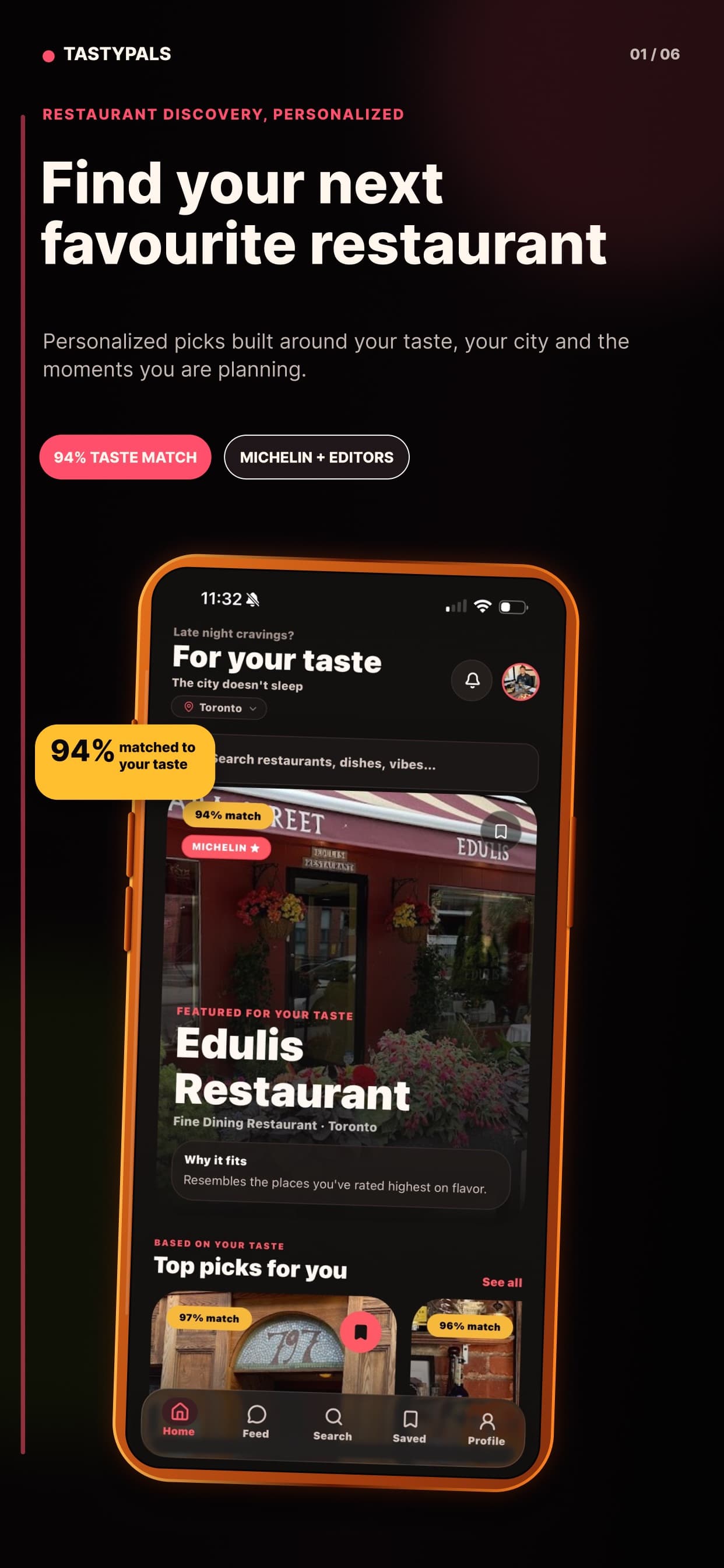
Keep the shortlist handy in the TastyPals app and find similar restaurants across Chicago.

Personalized city picksCleaner shortlistsBuilt for iPhone and Android
TastyPalsTonight
Your taste. Our picks.
Smarter follow-through after the guide: better restaurant context, quicker narrowing, less second-guessing.
For tonight
Date night spots with warm rooms and polished service
Next step
Keep exploring in the app when you want a tighter shortlist
Blue Fire RestaurantBlue Fire in Oak Park is not shy about its aesthetic. The room seats around 120 people, runs fireplaces on colder nights, and pulls in a DJ on weekends — a combination that reads like a European fantasy on paper and, by most accounts, avoids tipping into theme-park territory once you're actually inside. The candlelight apparently does a lot of heavy lifting. For a price-level-one restaurant operating in the Oak Park–Elmwood Park corridor, that kind of atmosphere — chandeliers, functioning fireplaces, a room where dressing up registers as appropriate rather than strange — is genuinely uncommon. It has built a reputation as the date-night anchor for this part of the west suburbs, and the room's scale means the DJ energy stays contained enough that conversation is still possible. The menu reportedly clears 60 dishes, which would normally signal a kitchen spread too thin to mean it. Blue Fire's reputation suggests otherwise. The Beef Stroganoff — beef strips in a creamy mushroom sauce over noodles — is the kind of dish that functions as a litmus test for kitchen discipline, and diners consistently describe it in terms that suggest care rather than volume production. The Blue Fire Ribeye Steak is the obvious flagship, a grilled ribeye that carries the weight of being the restaurant's namesake dish. The Porcini Cream Pork with Jasmine Rice and the Lamb Chops represent the European-leaning side of the menu at its most considered — the porcini cream, specifically, is the detail that separates a kitchen with actual intent from one just filling menu space. The BBQ Baby Back Ribs round out the protein options for anyone who wants something more straightforward. For a first visit, the move is to anchor around one of the proteins rather than grazing across the full menu. Request a table on the fireplace side, especially on a Friday, and keep in mind the room is large enough that proximity to the DJ booth is a variable worth controlling. View restaurant →
Gibsons ItaliaGibsons Italia trades on spectacle, and to its credit, the spectacle is real. The three-level room on North Canal commands the Chicago River through a retractable roof — it won Eater's 2018 design award, and you understand why before the first course. The kitchen, under José Sosa, splits its attention between refined Italian and the steakhouse muscle the Gibsons group built its name on; the group is unusual in holding its own USDA certification, which shows in the Chicago Cut, a 40-day wet-aged bone-in rib eye sliced into a dozen pieces and presented on a silver platter with rosemary and roasted garlic. It is theatre, but it eats well. The cheese risotto with sea scallops and the Mediterranean roasted branzino give the Italian half its footing. At $$$$$, this is a room for anniversaries and closing dinners, not idle Tuesdays — and on that count the river views and the pacing largely earn the cheque. The banana gelato is a deceptively modest close. Come for the occasion; the steak justifies it more reliably than the pasta. View restaurant →
Spacca Napoli PizzeriaChicago's pizza discourse tends to overcorrect — either romanticizing Neapolitan tradition to the point of parody or dismissing it as European affectation. Spacca Napoli, quietly anchored in Ravenswood for years, doesn't seem interested in either argument. The neighborhood itself sets the tone: north-siders who watched Andersonville gentrify southward and kept walking, woodworkers and teachers who want a serious pizzeria rather than a performance of one. By all accounts, Spacca Napoli delivers exactly that — a room that functions like a pizzeria rather than a stage set, at a price point that diners consistently describe as one of the better deals on the north side. The verified wine list is where the place distinguishes itself beyond the pies. The Nero 70 is reportedly the anchor for anyone who wants structure and grip — a dark, committed bottle that pairs logically with the char and heat of a wood-fired oven. The Alema Rosato is known as the lighter-touch option, precise and pale, the kind of pour that works when you're eating lighter or the room is running warm. Terra D'Elciano occupies the more serious middle ground — savory, grounded, built for the kind of long sit Ravenswood regulars apparently favor. Alta Costa and Per Eva round out a list that, by most accounts, reflects genuine taste and curiosity rather than safe margin-chasing. These aren't bottles selected to reassure; they're selected to reward the curious drinker. Practical reality: weeknights reportedly offer the better experience — lower noise, more room to breathe, easier access to whoever's pouring. The standing advice from regulars is to let the staff steer you toward an unfamiliar bottle rather than defaulting to something recognizable. Weekends draw crowds, so booking ahead is the move, not the exception. View restaurant →
Monteverde Restaurant & PastificioSarah Grueneberg's Monteverde has occupied a particular position in Chicago's West Loop since it opened — the room that demonstrated the city could sustain genuinely serious Italian cooking, not as novelty but as ongoing commitment. By all accounts it has been consistently full since launch, which in this neighbourhood, surrounded by options angling for the same dinner dollar, says something real about the kitchen's reputation. The space itself is reported to have the kind of warm, purposeful energy that suits a longer meal: not a room you rush through, but one that holds its shape across multiple courses and a second glass of wine. For a date or a table of four who want to eat deliberately, Monteverde's pacing and proportion are frequently cited as part of what makes the night work. The menu centers on pasta made with evident technical discipline. Monteverde is widely known for its cacio e pepe — a dish that exposes every shortcut a kitchen might take, and one that diners and critics consistently point to here as a benchmark rather than a baseline. The rigatoni all'amatriciana reportedly uses properly cured guanciale rather than the pancetta substitute that shortcuts the flavour in most Italian-American kitchens; that distinction matters to the dish's character and is noted across multiple sources as intentional. Daily specials in fresh-made shapes reflect what the kitchen is engaged with that week, and the standing advice from regulars is to order whatever that is. The antipasti program is treated with the same sourcing seriousness as the pasta, which is not always the case even at restaurants with strong first-course reputations. Price level sits at three on a four-point scale — expect to spend accordingly, and book ahead. Reservations are genuinely necessary; walk-in availability at peak hours is limited. Monteverde is among Chicago's most regarded Italian restaurants by any consistent measure. View restaurant →
Siena TavernSiena Tavern is a large, deliberately social Italian-American room in River North that makes no effort to disguise its ambitions: this is a restaurant built for groups, for noise, and for the kind of occasion that calls for a long table and a bottle of something Sicilian. The space reportedly runs on the energy of an open kitchen, a well-trafficked bar, and a mozzarella station that produces fresh curd to order — a piece of theater that also happens to represent a genuine point of difference from the neighborhood's more anonymous Italian operations. The room is rustic in gesture and glossy in execution, which is a fair description of River North itself. The menu centers on exactly the dishes you would want it to. The house-pulled mozzarella is the correct starting point — diners consistently note that it arrives warm, which is the only temperature at which pulled mozzarella makes a case for itself. The wood-fired pizza is known for producing a blistered, chewy crust, the kind that comes from a properly calibrated oven rather than an afterthought. The short rib pappardelle appears to be the anchor of the menu: a braised preparation with a generous sauce, the dish that most accounts identify as the reason to return. The chicken parmesan is reportedly oversized in the manner River North favors, calibrated for sharing rather than individual restraint. The cocktail program is broad enough to manage a large, opinionated table. This is a group-dinner restaurant in the clearest sense — the format suits bachelorette parties, work gatherings, and milestone birthdays better than it suits a quiet conversation. Booking ahead for weekend evenings is advisable, and requesting a booth is worth doing if the table actually intends to speak to one another. View restaurant →
Calo RistoranteCalo Ristorante has been anchoring Andersonville's Clark Street since 1963, and the Recchia family's refusal to modernize the room or the menu is, by every account, the entire point. The dining room — mahogany bar, exposed brick, hand-painted Old World murals, floor-to-ceiling windows — reads like a space designed to make occasion-dining feel accessible rather than aspirational. At a two-dollar-sign price point, that combination of genuine elegance and everyday approachability is exactly what this neighborhood has long championed, and Calo has been demonstrating it for over sixty years without apparent irony or reinvention. The kitchen's reputation rests on two pillars that, on paper, seem like an odd pairing: stone-fired pizza and BBQ ribs. The ribs are consistently described by regulars as fall-off-the-bone, the kind of dish that creates mild cognitive dissonance in a room this carefully composed — but diners report that the dissonance dissolves quickly. The tomato bread is widely flagged as the move before anything else arrives; it has the reputation of an opener that actually matters, not a filler gesture while you wait. From the pasta side of the menu, the ziti in vodka sauce and the bucatini with meatballs are the dishes that come up most often in the conversation around Calo — both signaling a kitchen committed to Italian-American classics as comfort rather than as a canvas for reinvention. Practically: Calo takes reservations through OpenTable, and weekend evenings fill predictably, so booking three to four days out is the standard advice. Walk-ins before 6:30 PM on weekdays have a reasonable shot at the bar. If you're anchoring your order, the stone-fired pizza is the consensus starting point — pair it with the ribs if your table has the appetite, and treat the tomato bread as non-negotiable from the jump. View restaurant →

Explore next

Related guides

Same guide in other cities

Get the App

Save these spots to your Chicago list

Save these spots to your Chicago list in the TastyPals app, then explore similar restaurants when you want a tighter shortlist for the night.

Personalized city picksCleaner shortlistsBuilt for iPhone and Android
TastyPalsTonight
Your taste. Our picks.
Smarter follow-through after the guide: better restaurant context, quicker narrowing, less second-guessing.
For tonight
Date night spots with warm rooms and polished service
Next step
Keep exploring in the app when you want a tighter shortlist